Quick Picks
Our Recommendations
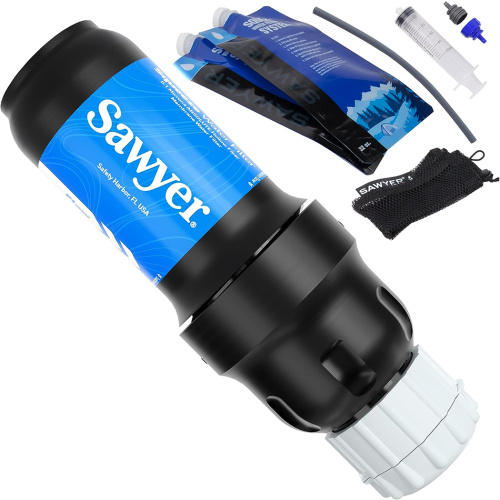 Best Overall
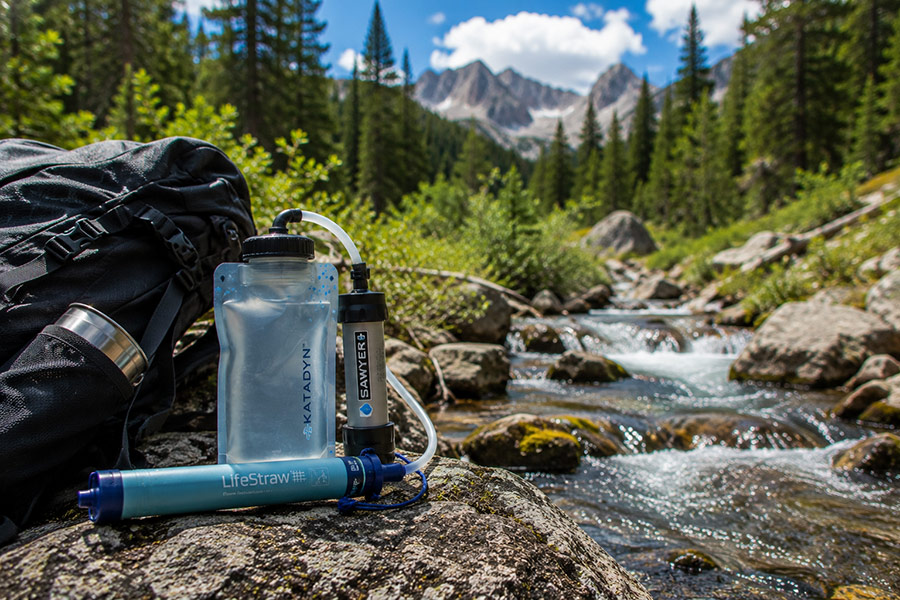
Sawyer
Squeeze Water Filter
Overall backpacking reliability
The Sawyer Squeeze remains one of the most trusted backpacking water filters because of its simplicity, reliability, low weight, and proven trail performance.
Pros
- +Very lightweight
- +Affordable
- +Reliable filtration
- +Excellent long-distance hiking reputation
Cons
- −Flow rate slows without maintenance
- −Requires backflushing
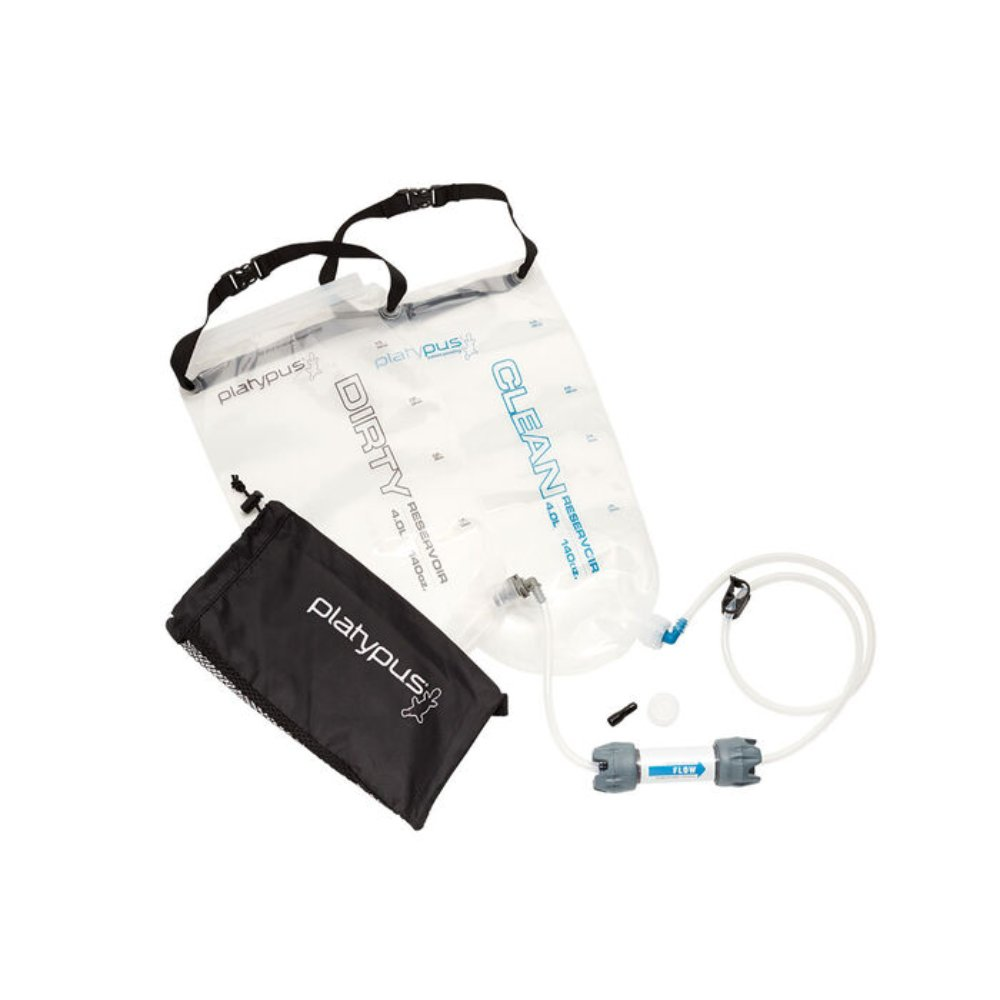 Best Gravity Filter
Platypus
GravityWorks 4L
Group camping and convenience
The GravityWorks 4L is one of the easiest and most convenient water filtration systems for groups, basecamps, and larger backpacking setups.
Pros
- +Excellent high-volume filtration
- +No pumping required
- +Very convenient for campsites
- +Good flow rate
Cons
- −Bulkier than squeeze filters
- −Less ideal for minimalist hiking
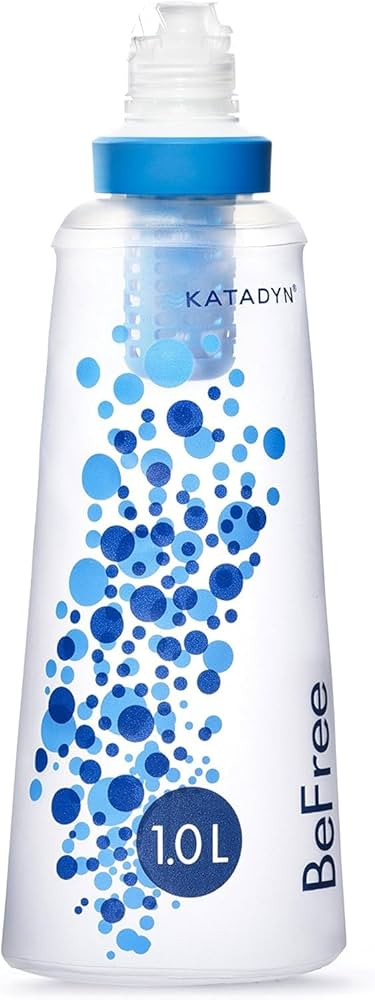 Best Ultralight
Katadyn
BeFree 1L
Fast and lightweight filtering
The BeFree 1L has become extremely popular among trail runners and ultralight backpackers prioritizing speed and simplicity.
Pros
- +Very lightweight
- +Excellent flow rate
- +Simple soft-flask design
- +Very packable
Cons
- −Filter lifespan shorter than Sawyer
- −Soft flask durability can vary
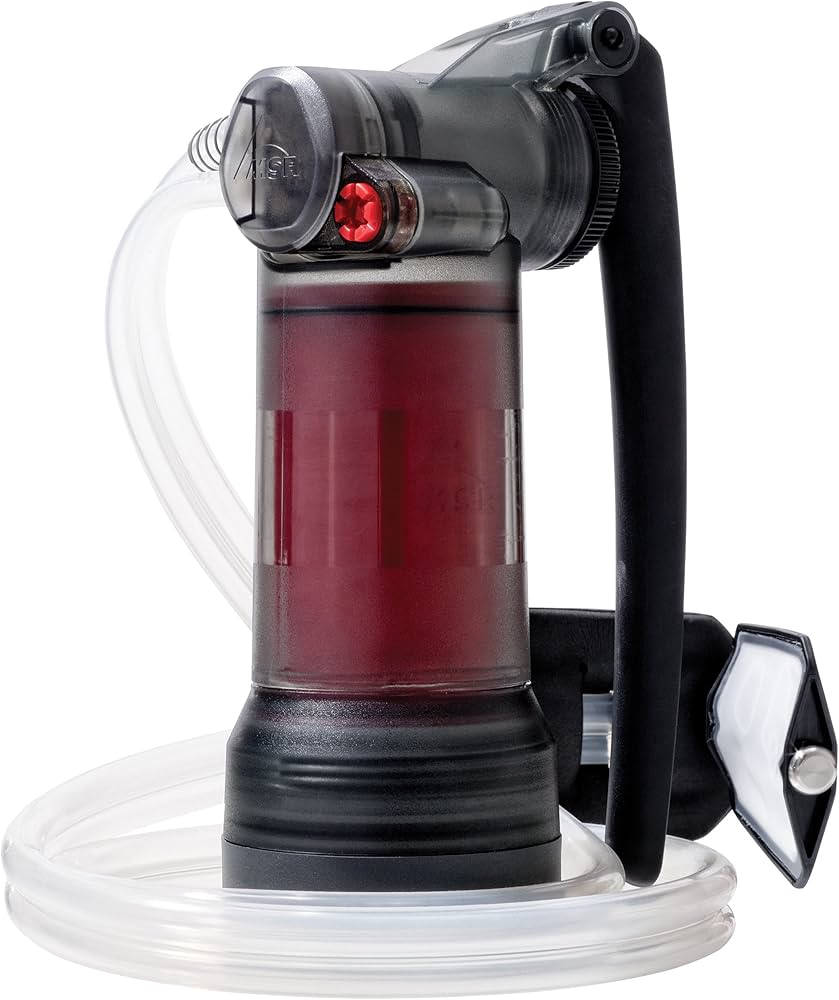 Best Expedition Filter
MSR
Guardian Purifier
Expedition and international travel
The MSR Guardian targets serious expedition users, international travelers, and remote backcountry situations where maximum water safety matters.
Pros
- +Excellent purification capability
- +Very durable
- +Handles dirty water extremely well
- +Self-cleaning design
Cons
- −Very expensive
- −Heavier than backpacking filters
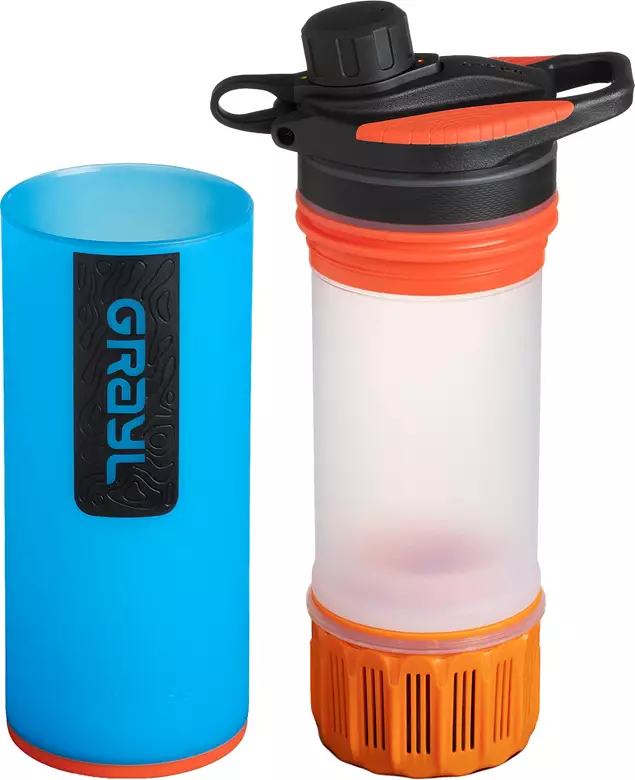 #5
#5GRAYL
GeoPress
Travel and fast purification
The GeoPress offers one of the simplest and fastest all-in-one water purification systems for hiking, travel, and emergency preparedness.
Pros
- +Very easy operation
- +Purifies viruses and bacteria
- +Excellent for travel
- +Simple all-in-one design
Cons
- −Heavier than ultralight systems
- −Lower capacity
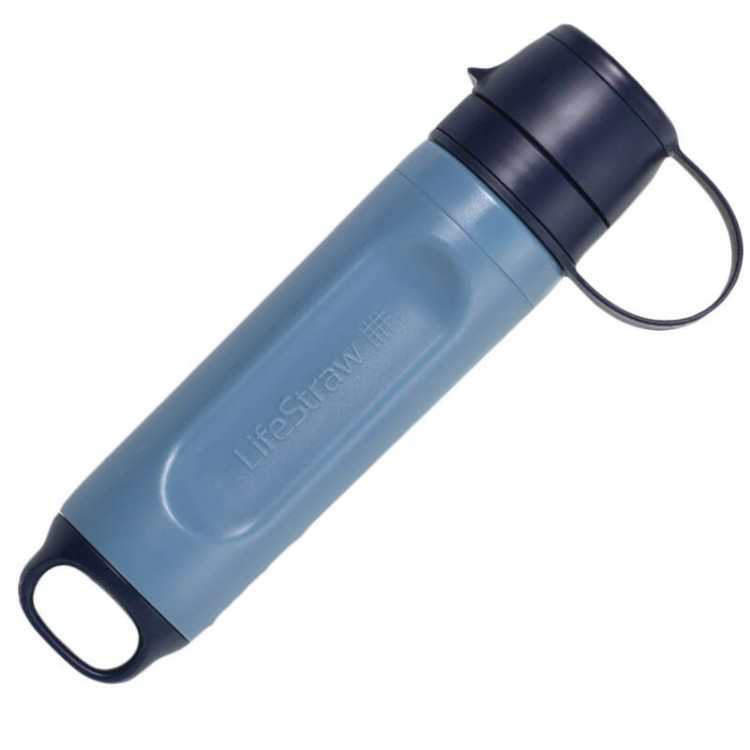 #6
#6LifeStraw
Peak Series Solo
Budget ultralight filtering
The Peak Series Solo provides a lightweight and affordable water filtration option for hikers wanting simple emergency-capable filtering.
Pros
- +Very lightweight
- +Affordable
- +Simple design
- +Good emergency backup filter
Cons
- −Lower flow rate than premium filters
- −Less convenient for groups
Why water treatment matters outdoors
Even crystal-clear backcountry water can carry giardia, cryptosporidium, and bacteria that quickly ruin a trip.
A single bad water source can cause days of illness that no amount of good gear or planning can fix.
Reliable water treatment is one of the cheapest and most important investments any backpacker can make.
Squeeze filters vs pump filters
Squeeze filters like the Sawyer Squeeze and Katadyn BeFree are lightweight, simple, and fast.
Pump filters move water more deliberately and handle very silty or dirty sources better, but they're heavier and slower.
For most North American backpacking, squeeze filters have largely replaced pumps because they're lighter, simpler, and just as effective.
Gravity filters explained
Gravity systems like the Platypus GravityWorks fill a dirty reservoir, hang it from a tree, and let gravity do the filtering work.
They shine for groups, basecamps, and longer water stops where convenience matters more than ultralight weight.
For solo ultralight hikers, they're usually overkill. For two or more people sharing a campsite, they're hard to beat.
Purification vs filtration
Filters remove bacteria, protozoa, and sediment but generally don't remove viruses.
Purifiers go further and address viruses too, which becomes important during international travel or in areas with significant agricultural or human contamination.
For most US and Canadian backcountry, a quality filter is enough. For international or questionable water sources, a purifier like the MSR Guardian or GRAYL GeoPress is the safer call.
Freezing risks and filter damage
Frozen filters fail silently. The internal hollow fibers crack when water inside them freezes, and the damage isn't visible.
In cold conditions, sleep with your filter inside your sleeping bag and store it close to your body during the day.
This single habit prevents one of the most common backcountry filter failures.
Flow rate realities
Flow rate matters more than spec sheets suggest.
A filter that takes five minutes to fill a bottle quickly becomes frustrating during long water stops or hot afternoons.
The BeFree and Squeeze both flow well when clean. Both also slow down significantly without regular backflushing or cleaning.
Ultralight backpacking considerations
Ultralight hikers usually choose between the Sawyer Squeeze, Katadyn BeFree, or LifeStraw Peak Solo.
All three are extremely light and capable. The Squeeze tends to last longer between cleanings, while the BeFree usually flows faster when fresh.
For most ultralight hikers, the choice comes down to personal preference more than meaningful performance differences.
Group camping needs
Filtering water for groups changes the equation completely.
Gravity systems like the GravityWorks 4L make group filtering dramatically easier and faster, especially at busier campsites.
For any trip with three or more people, a gravity filter usually pays for itself in convenience within a few days.
Dirty water challenges
Murky, silty, or sediment-heavy water clogs filters fast.
Pre-filtering with a bandana or letting water settle in a bottle before filtering dramatically extends filter life.
For consistently dirty sources, more rugged options like the MSR Guardian handle the load far better than minimalist filters.
Maintenance and cleaning
Regular backflushing keeps filter flow rates high and extends filter lifespan significantly.
Most filter failures come from neglected maintenance, not actual equipment defects.
Cleaning a filter at home between trips takes a few minutes and pays off enormously on the next trip.
Best overall: Sawyer Squeeze
The Sawyer Squeeze is the easiest water filter recommendation in backpacking.
It's affordable, lightweight, simple, and proven over millions of trail miles.
For solo and small-group backpacking, it covers nearly every realistic scenario without overcomplicating things.
Best ultralight filter: Katadyn BeFree 1L
The BeFree shines for hikers prioritizing speed and weight.
Flow rate is excellent when the filter is clean, and the soft-flask design packs down extremely small in a hip belt or shoulder pocket.
For trail runners and ultralight thru-hikers, it's a strong everyday choice.
Best gravity filter: Platypus GravityWorks 4L
The GravityWorks 4L turns campsite water filtering into a no-effort task.
It's ideal for groups, family trips, and basecamp-style backpacking where convenience matters more than minimum weight.
For anyone regularly hiking with partners, it's one of the easiest gear upgrades available.
Common water filtration mistakes hikers make
The most common mistake is letting filters freeze. A single cold night can silently destroy a filter without any visible damage.
The second is skipping backflushing, which dramatically reduces flow rate over time.
The third is filtering directly from murky water without pre-settling, which clogs filters far faster than necessary.