Quick Picks
Our Recommendations
 Best Overall
Osprey
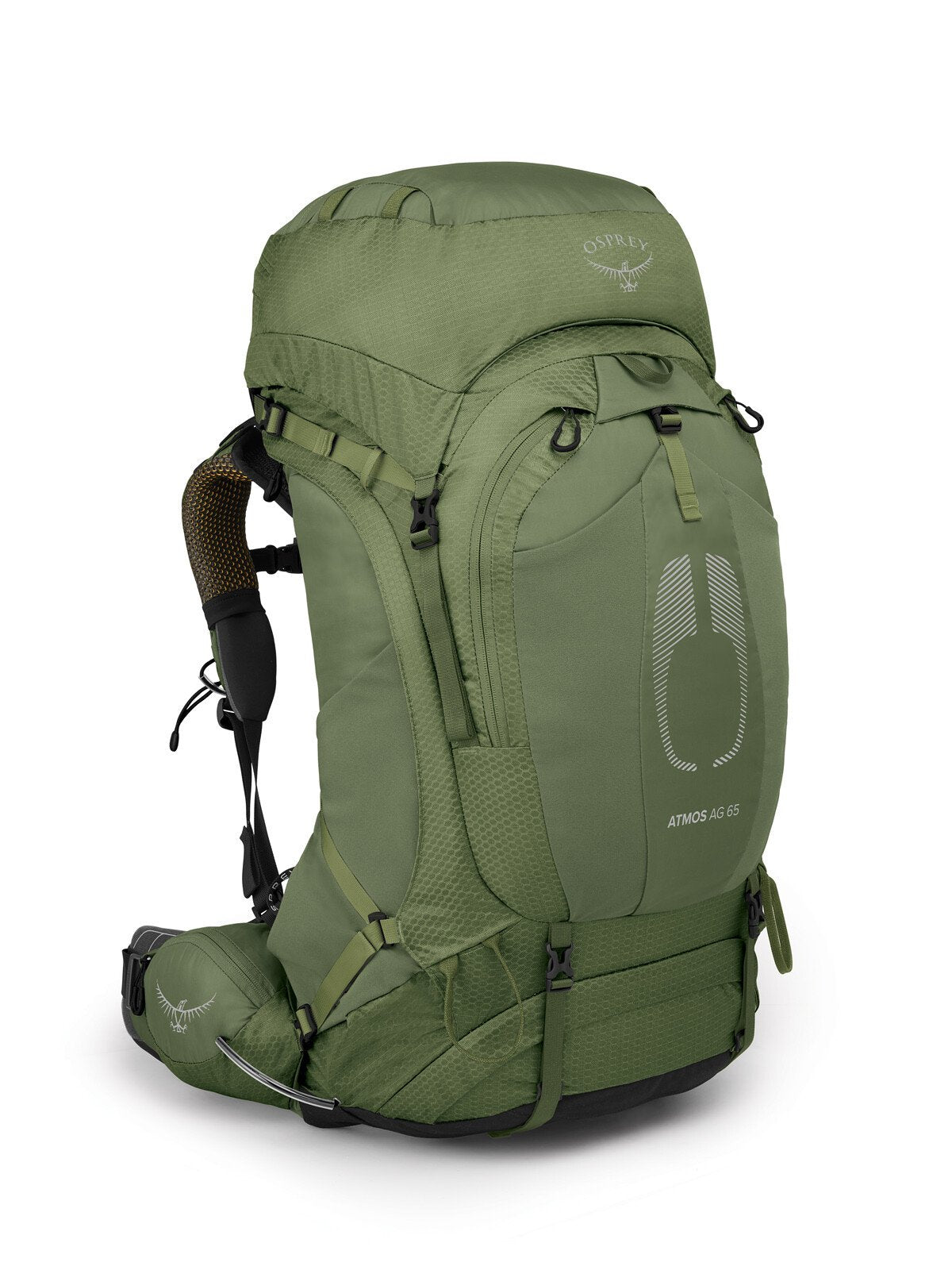
Atmos AG 65
Long-distance comfort
The Atmos AG 65 remains one of the most comfortable backpacking packs on the market. Its anti-gravity suspension system distributes weight exceptionally well during long days on the trail.
Pros
- +Exceptional carrying comfort
- +Excellent ventilation
- +Very stable under heavier loads
- +Premium organization and adjustability
Cons
- −More expensive than many competitors
- −Slightly heavier than ultralight packs
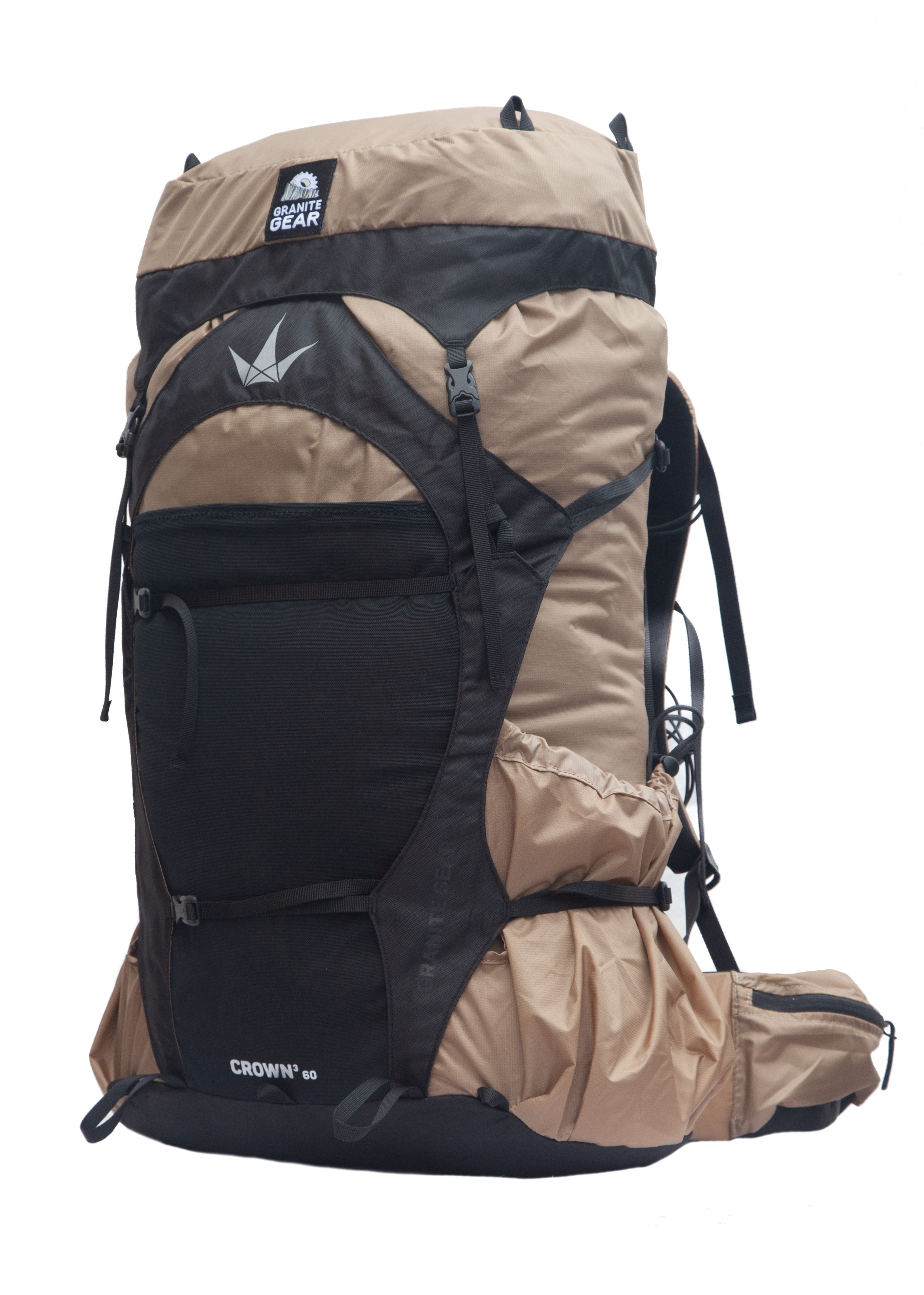 Best Lightweight
Granite Gear
Crown3 60
Lightweight backpacking
The Crown3 60 offers an excellent balance between comfort and weight savings, making it one of the best entry points into lightweight backpacking.
Pros
- +Excellent weight savings
- +Surprisingly capable load support
- +Flexible design
- +Good value for lightweight hikers
Cons
- −Less structure than traditional packs
- −Minimalist design isn't for everyone
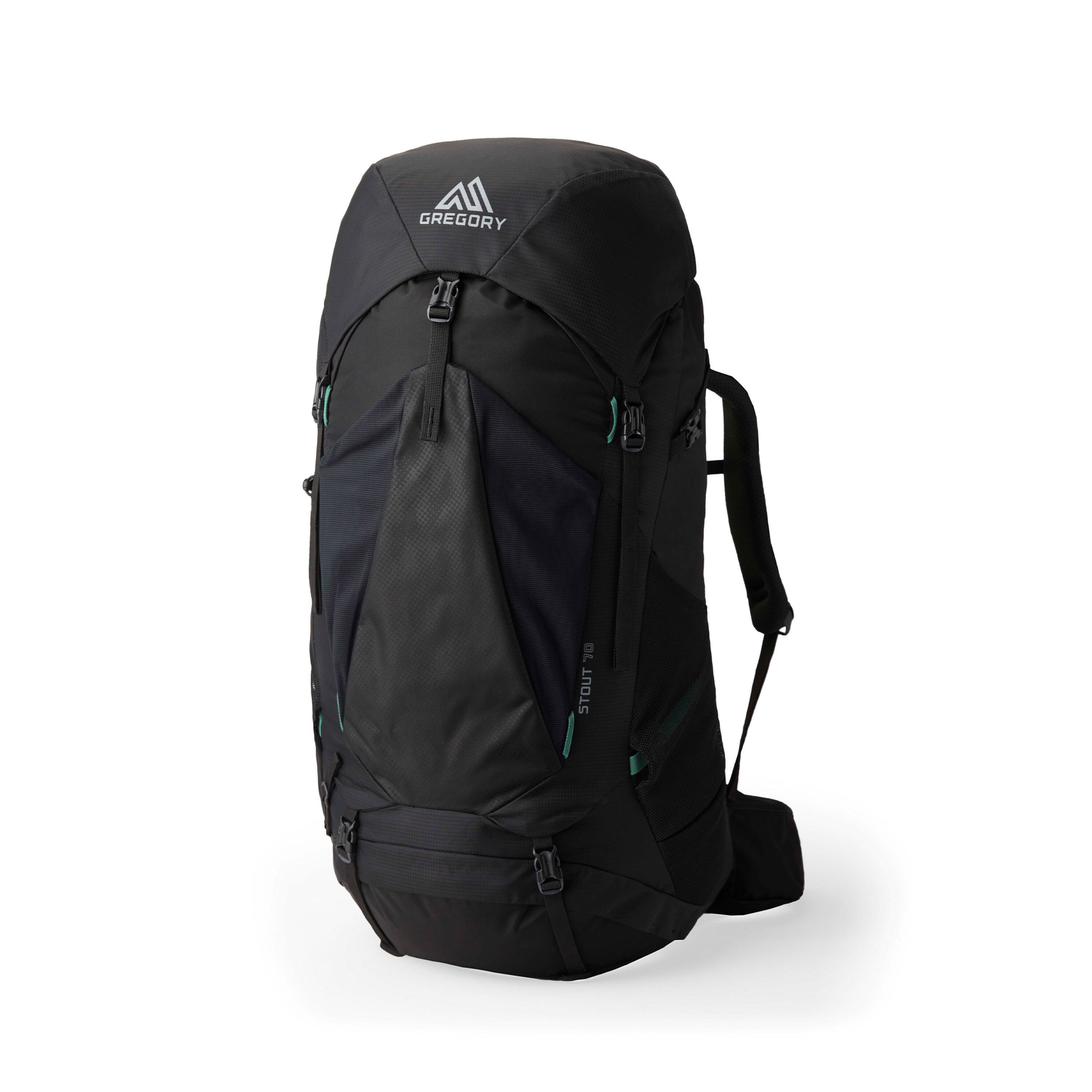 Best Budget
Gregory
Stout 70
Budget-conscious backpackers
The Gregory Stout 70 delivers a lot of backpack for the money and works especially well for hikers still building out their backpacking gear systems.
Pros
- +Excellent value
- +Comfortable suspension system
- +Good organizational layout
- +Handles heavier gear loads well
Cons
- −Heavier than premium lightweight options
- −Ventilation isn't class-leading
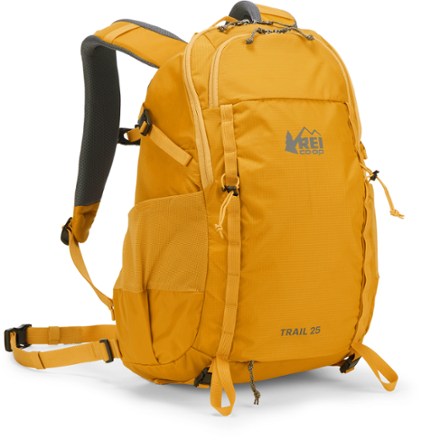 Best for Beginners
REI Co-op
Trailmade 60
New backpackers
The Trailmade 60 is an approachable entry point for hikers getting into overnight backpacking without immediately spending premium money.
Pros
- +Very beginner-friendly
- +Good value
- +Simple and functional design
- +Comfortable for weekend trips
Cons
- −Heavier than advanced packs
- −Less customizable fit system
Fit matters more than almost anything else
Backpacking backpacks are extremely personal pieces of gear.
The best-reviewed pack in the world can still feel terrible if it doesn't match your torso length, shoulder shape, or load style.
Comfort under load matters far more than tiny differences in weight for most backpackers.
Many newer hikers obsess over ultralight gear before they even have a properly fitted backpack, which is backwards. A comfortable pack carrying an extra pound usually feels far better than an uncomfortable pack that's technically lighter.
How much backpack capacity do you actually need?
Most backpackers fall somewhere between 50L and 70L depending on trip style and gear bulk.
Weekend hikers with compact gear often do well around 50L to 60L.
Cold-weather backpacking, bear canisters, photography equipment, and bulkier sleeping systems usually push hikers toward larger capacities.
Beginners often buy overly large packs before they learn how much gear they actually carry.
Lightweight packs vs traditional backpacks
Ultralight backpacking has become increasingly popular, but lighter isn't automatically better for everyone.
Traditional backpacks usually offer more structure, comfort, and organizational features.
Lightweight packs prioritize simplicity and reduced weight, but sometimes sacrifice comfort under heavier loads.
For newer backpackers carrying bulkier gear setups, traditional suspension systems often feel noticeably better during long climbs and uneven terrain.
Ventilation becomes important surprisingly fast
Backpacks trap heat aggressively during warm-weather hiking.
Suspension systems with good airflow help reduce sweat buildup and improve long-day comfort, especially during summer hikes or steep elevation gain.
Osprey's Anti-Gravity system remains one of the best examples of how dramatically ventilation can improve overall trail comfort.
Best overall: Osprey Atmos AG 65
The Atmos AG 65 has earned its reputation.
For backpackers prioritizing comfort, load distribution, and long-distance carrying performance, it's one of the easiest premium recommendations in the category.
The suspension system wraps weight around the body extremely well, which becomes especially noticeable during long days carrying food, water, and overnight gear.
While ultralight hikers may prefer lighter minimalist packs, the Atmos remains incredibly comfortable for most backpackers carrying moderate to heavier loads.
Best for beginners: REI Trailmade 60
New backpackers usually benefit more from simplicity and comfort than cutting-edge ultralight design.
The Trailmade 60 keeps things approachable. Storage layout is intuitive, fit adjustment is straightforward, and the overall carrying experience feels forgiving for hikers still dialing in their gear systems.
It's also priced reasonably enough that beginners can invest more budget into sleeping systems, footwear, and weather protection.
Best lightweight option: Granite Gear Crown3 60
The Crown3 60 is a strong middle ground between traditional backpacking comfort and modern lightweight hiking.
It saves a meaningful amount of weight while still remaining supportive enough for longer trips and variable terrain.
For hikers interested in gradually transitioning toward lighter backpacking setups, it's one of the smartest options currently available.
Most backpackers carry too much gear
One of the fastest ways to improve hiking comfort is simply reducing unnecessary gear.
Heavy backpacks make climbs harder, strain knees during descents, and reduce overall enjoyment.
Many experienced hikers eventually realize that simplifying gear often improves trips more than buying increasingly expensive equipment.