Quick Picks
Our Recommendations
 Best Backpack
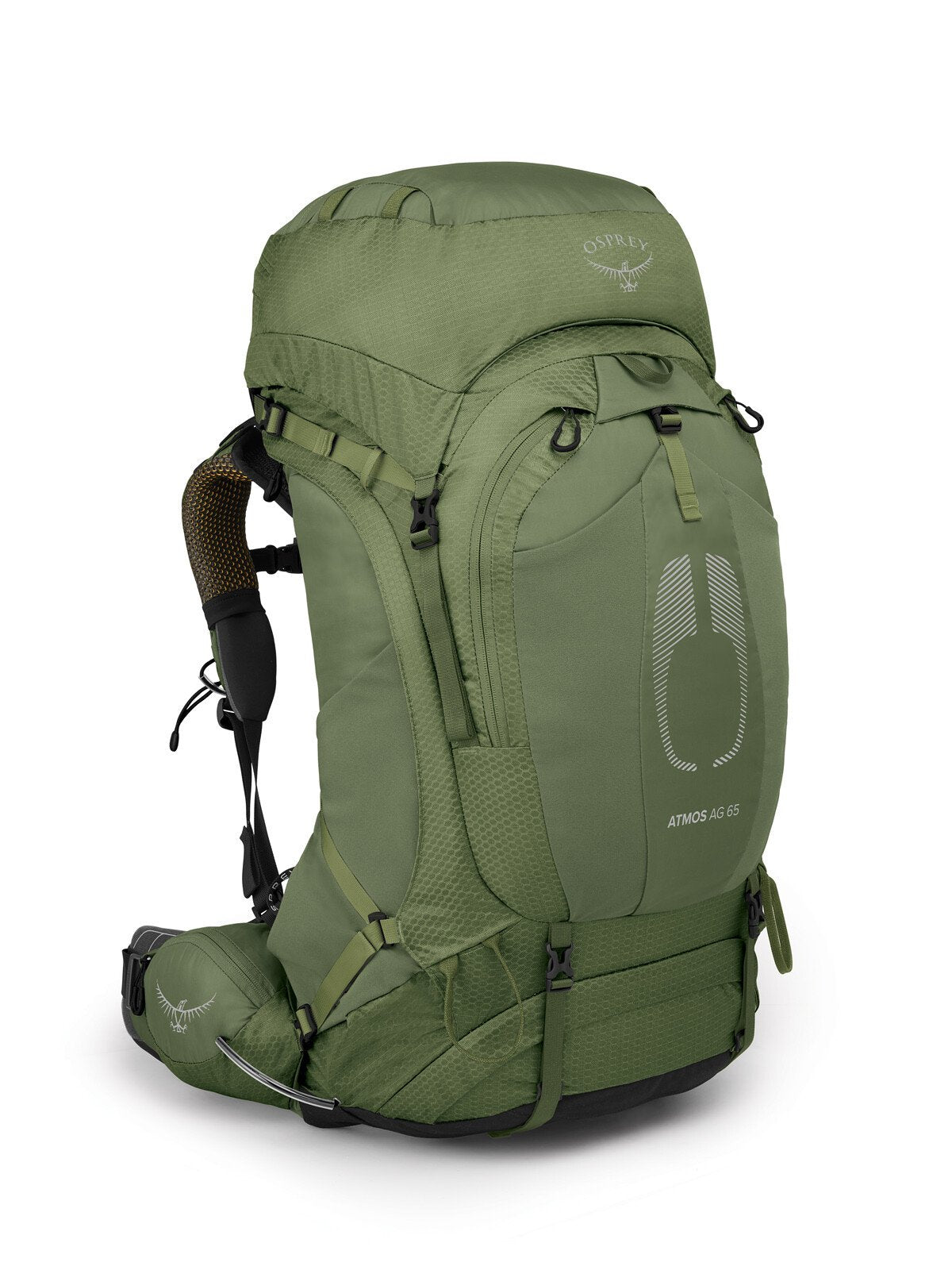
Osprey
Atmos AG 65
Long-distance backpacking comfort
The Atmos AG 65 remains one of the most comfortable backpacking packs available for multi-day hiking and long-distance trekking.
Pros
- +Exceptional carrying comfort
- +Excellent ventilation
- +Very stable suspension system
- +Premium organization
Cons
- −Heavier than ultralight packs
- −Premium pricing
 Best Tent
Big Agnes
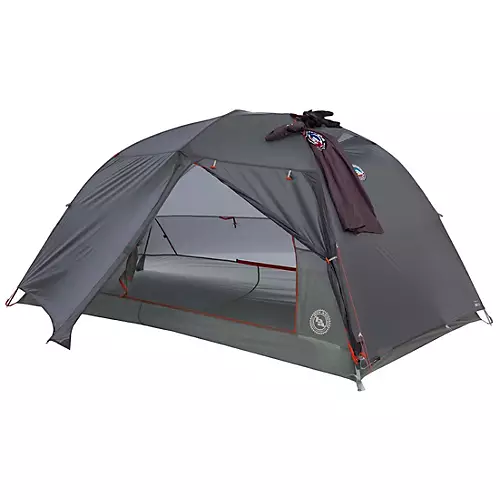
Copper Spur HV UL2
Lightweight backpacking comfort
The Copper Spur HV UL2 balances low weight, interior comfort, and reliable three-season performance extremely well.
Pros
- +Excellent weight-to-space ratio
- +Easy setup
- +Strong ventilation
- +Very popular thru-hiking tent
Cons
- −Expensive
- −Requires careful handling
 Best Sleeping Bag
Western Mountaineering
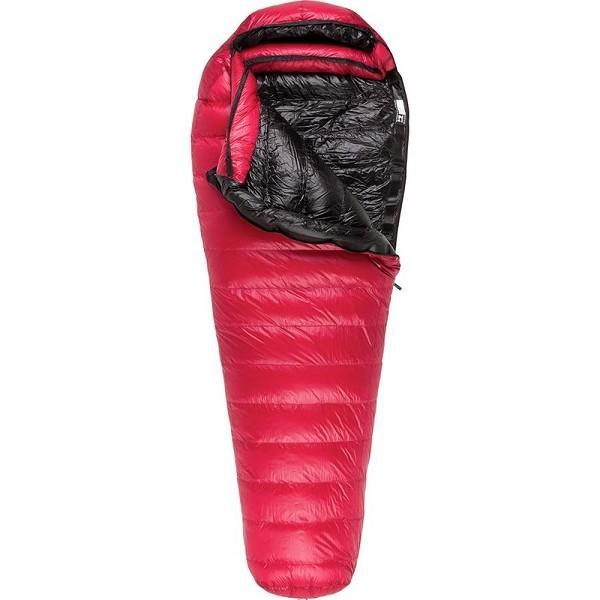
Alpinlite
Premium ultralight warmth
The Alpinlite remains one of the most respected premium sleeping bags in backpacking thanks to its warmth, low weight, and long-term durability.
Pros
- +Exceptional warmth-to-weight ratio
- +Premium down quality
- +Very compressible
- +Excellent craftsmanship
Cons
- −Very expensive
- −Down requires moisture management
 Best Water Filter
Sawyer
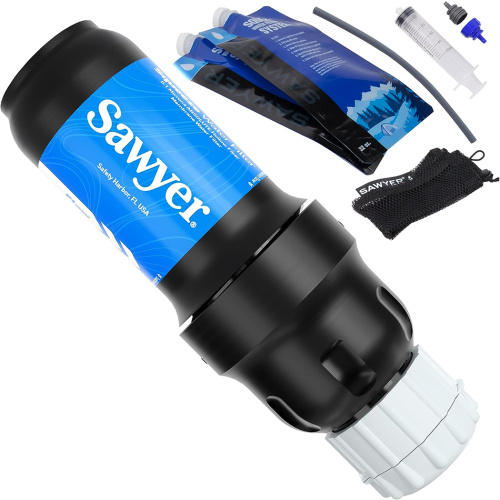
Squeeze Water Filter
Reliable water filtration
The Sawyer Squeeze has become one of the most trusted water filters in backpacking because of its simplicity, low weight, and reliability.
Pros
- +Very lightweight
- +Affordable
- +Reliable filtration
- +Popular long-distance hiking filter
Cons
- −Flow rate slows over time
- −Requires occasional backflushing
 #5
#5Jetboil
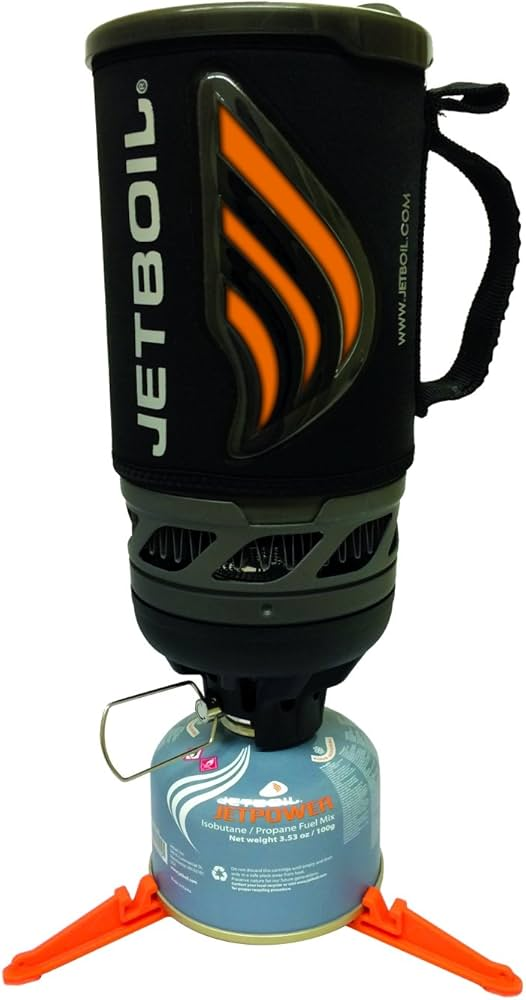
Flash Cooking System
Fast water boiling
The Jetboil Flash remains one of the easiest and fastest backpacking stove systems for hikers prioritizing convenience and efficiency.
Pros
- +Boils water extremely quickly
- +Very fuel efficient
- +Simple integrated design
- +Excellent for dehydrated meals
Cons
- −Less versatile for real cooking
- −Bulkier than minimalist stoves
 #6
#6Garmin
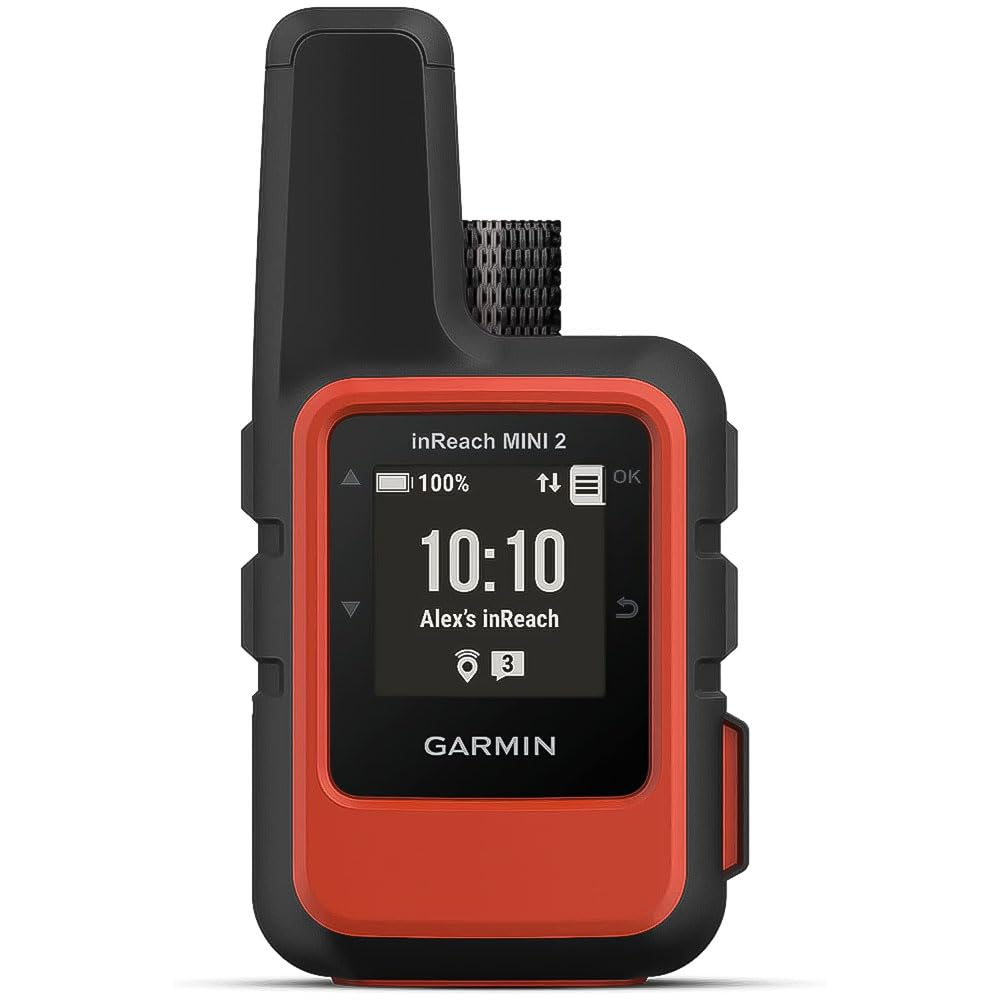
inReach Mini 2
Emergency communication
The inReach Mini 2 provides an important layer of emergency communication and safety for remote backpacking trips outside cell coverage.
Pros
- +Reliable satellite messaging
- +Excellent emergency capability
- +Compact and lightweight
- +Very valuable for remote trips
Cons
- −Requires subscription plan
- −Small screen and controls
What actually matters in backpacking gear
The gear that matters most is the gear you rely on every single day on the trail.
A properly fitted pack, a warm sleep system, reliable shelter, and clean drinking water are the categories that make or break a trip.
Everything else is secondary. New backpackers often obsess over small ounces and gadgets while overlooking the fundamentals that actually drive comfort and safety.
Lightweight vs ultralight gear
Lightweight gear focuses on reducing pack weight without sacrificing comfort or durability. Ultralight gear pushes those tradeoffs much further.
For most backpackers, a lightweight setup hits the sweet spot. You move faster and carry less without giving up creature comforts.
Ultralight gear rewards experienced hikers willing to manage smaller margins of error. For everyone else, it usually creates more discomfort than it's worth.
Where beginners tend to overspend
New backpackers often spend heavily on premium tents, ultralight cookware, and trendy accessories before they have a properly fitted pack and a sleep system that actually keeps them warm.
The two highest-impact upgrades for new hikers are almost always pack fit and sleep quality.
Fancy stoves, expensive trekking poles, and boutique accessories rarely change a trip the way a good pack and a warm bag will.
Comfort vs weight
Every gear decision is some version of this tradeoff.
Lighter gear means less fatigue but usually less comfort and less margin for error. Heavier gear protects comfort and durability but slows you down.
The right balance depends on trip length, terrain, weather, and how much you genuinely enjoy moving fast versus enjoying camp.
Backpack fit is the single biggest comfort factor
A pack that doesn't fit is miserable, no matter how impressive its spec sheet looks.
Torso length, hip belt position, and shoulder strap shape matter more than weight, brand, or feature count.
Most outdoor retailers will fit a pack for free. New backpackers should take advantage of that before buying anything online.
Sleep systems
Sleep quality dictates how the next day on the trail feels.
A warm bag, an insulated sleeping pad, and a small pillow can transform a difficult trip into a comfortable one.
Down bags like the Western Mountaineering Alpinlite are the long-term gold standard for warmth, weight, and packability. Synthetic options work better in consistently wet conditions.
Water filtration
Reliable water filtration is non-negotiable on most backcountry trips.
The Sawyer Squeeze remains the default for a reason. It's light, simple, affordable, and reliable, and it works for the vast majority of North American hiking conditions.
Gravity filters and chemical treatments serve as good backups for group trips and longer expeditions.
Cooking systems
Most backpackers eat dehydrated meals and rehydrate with boiling water, which makes integrated stoves like the Jetboil Flash extremely practical.
Minimalist canister stoves work well for hikers who occasionally cook real meals or want to save weight.
For the majority of trips, a fast-boiling stove and a single insulated mug are enough.
Emergency communication
For any trip outside cell coverage, a satellite communicator is one of the most valuable pieces of gear in the pack.
The Garmin inReach Mini 2 is small enough to forget about and powerful enough to call for help anywhere in the world.
For solo hikers, it should be considered essential, not optional.
Layering and weather protection
A simple, reliable layering system handles almost every backpacking scenario.
A breathable base layer, an insulating mid layer, and a waterproof shell cover three-season trips well. Adding a puffy jacket extends the system into colder weather.
Avoid cotton on the trail. Wet cotton stays cold, heavy, and uncomfortable for hours.
Best overall backpack
The Osprey Atmos AG 65 remains the easiest premium backpack recommendation.
Its suspension system distributes weight extremely well, ventilation reduces sweat buildup, and the overall fit feels comfortable across long mileage days.
Ultralight hikers may prefer minimalist packs, but the Atmos handles real-world backpacking loads better than almost anything in its category.
Best gear for new backpackers
Beginners benefit far more from comfort, durability, and simplicity than from chasing ultralight specs.
A well-fitted traditional backpack, a forgiving three-season tent, a warm sleeping bag, and a reliable water filter cover the essentials without overcomplicating things.
Gear can always be upgraded later as experience reveals what's actually worth optimizing.
Best ultralight upgrades
Experienced backpackers looking to cut weight typically see the biggest gains in the big three: pack, shelter, and sleep system.
The Big Agnes Copper Spur HV UL2 and Western Mountaineering Alpinlite are both excellent foundations for a lightweight setup that still feels comfortable in camp.
Smaller upgrades, like a titanium pot or a lighter headlamp, are nice but rarely change the trip experience meaningfully.
The most important gear upgrades
If you only upgrade three things, upgrade your pack, your sleeping bag, and your shoes.
These three categories influence comfort more than anything else in the pack.
Everything else is secondary, and most beginners are better off waiting until they understand their actual hiking style before spending heavily.
Common backpacking mistakes
The most common mistake is carrying too much gear. New hikers consistently overpack food, clothes, and accessories that they never end up using.
The second most common mistake is buying gear before testing it. A pack that feels great in the store can still feel terrible after eight miles on uneven terrain.
The simplest fix for both is short shakedown trips. A single weekend reveals far more about your gear than hours of online research.