Quick Picks
Our Recommendations
 Best Overall
Garmin
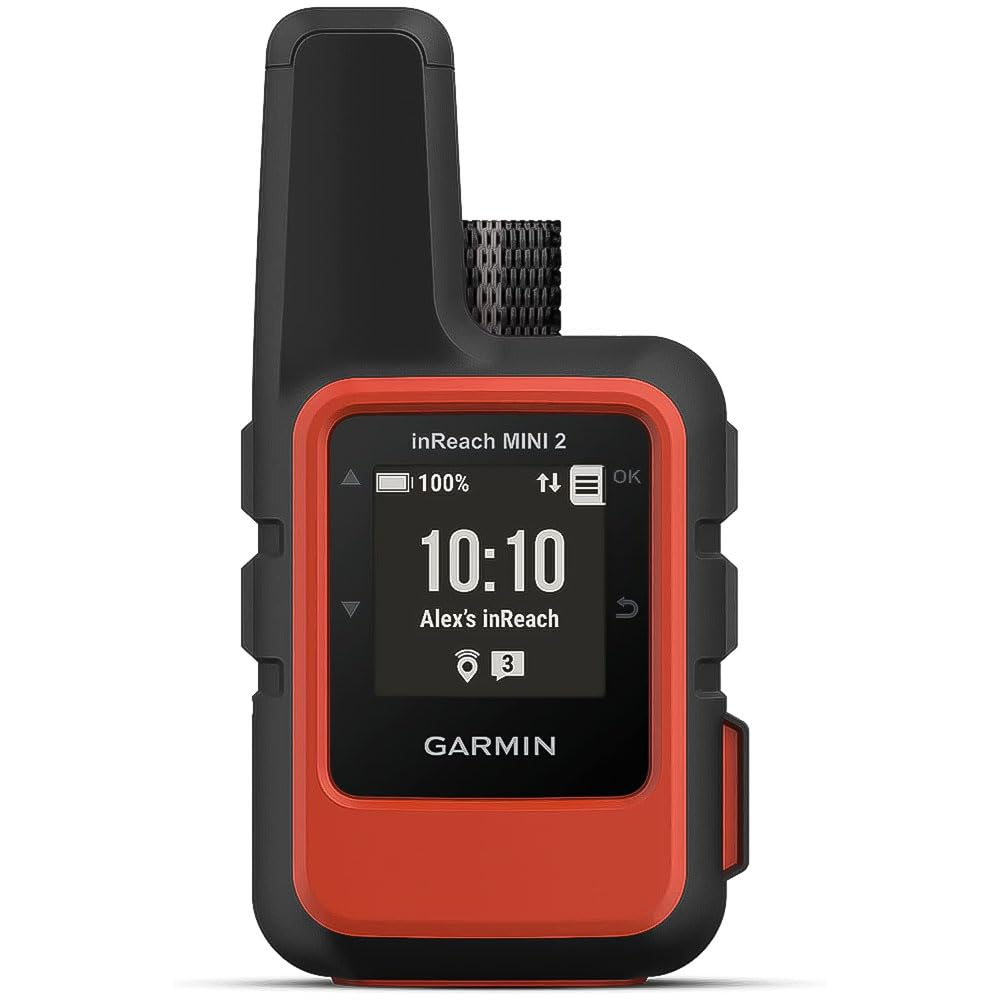
inReach Mini 2
Overall backcountry reliability
The inReach Mini 2 has become one of the most trusted satellite communicators for backpackers, hikers, hunters, and remote outdoor travelers.
Pros
- +Excellent emergency SOS capability
- +Compact and lightweight
- +Reliable Iridium satellite network
- +Very strong battery life
Cons
- −Subscription required
- −Small screen and controls
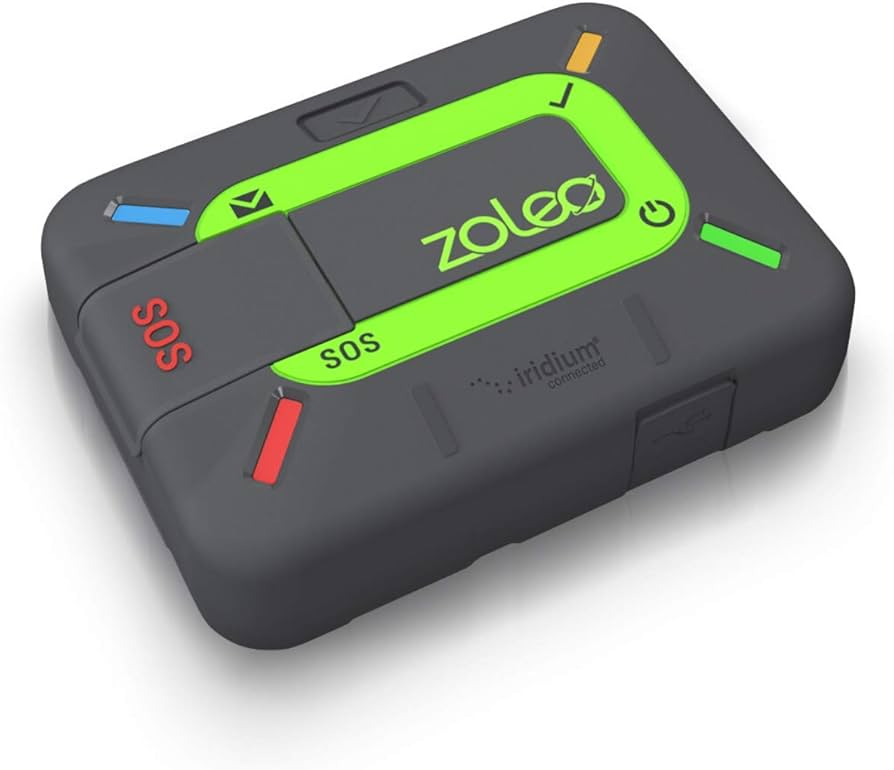 Best Messaging Experience
ZOLEO
Satellite Communicator
Easy messaging
The ZOLEO communicator focuses heavily on making satellite messaging feel simpler and more approachable for everyday hikers and travelers.
Pros
- +Excellent app integration
- +Simple messaging interface
- +Good value
- +Reliable emergency features
Cons
- −Requires smartphone for best experience
- −Less standalone functionality
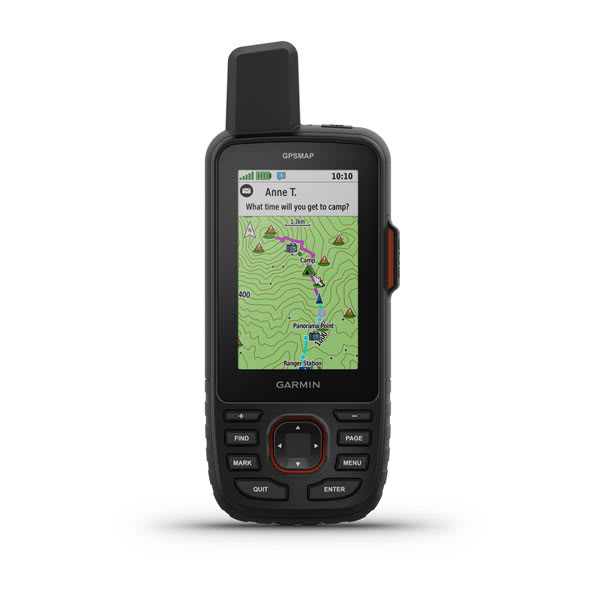 Best for Expeditions
Garmin
GPSMAP 67i
Expeditions and advanced navigation
The GPSMAP 67i combines advanced handheld navigation with satellite communication capabilities for serious backcountry users.
Pros
- +Excellent navigation features
- +Built-in satellite communication
- +Outstanding battery life
- +Very rugged construction
Cons
- −Bulky compared to minimalist communicators
- −Expensive
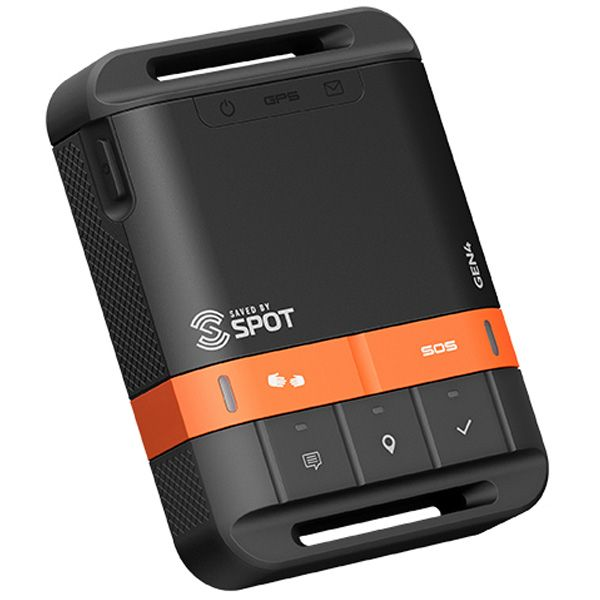 Best Budget
SPOT
Gen4
Budget emergency communication
The SPOT Gen4 remains one of the more affordable ways for hikers to add emergency satellite communication capability to backcountry trips.
Pros
- +Affordable entry price
- +Simple emergency functionality
- +Compact design
- +Good tracking features
Cons
- −Limited messaging capability
- −Less capable than Garmin ecosystem
 #5
#5Somewear
Global Hotspot
Lightweight backcountry communication
The Somewear Global Hotspot focuses on lightweight communication and simple emergency functionality for hikers and travelers.
Pros
- +Compact and lightweight
- +Good smartphone integration
- +Reliable messaging
- +Simple interface
Cons
- −Smaller ecosystem
- −Less known support network
#6Motorola
Defy Satellite Link
Casual outdoor communication
The Motorola Defy Satellite Link offers a simpler entry point into satellite messaging for casual outdoor users.
Pros
- +Affordable
- +Simple messaging setup
- +Compact size
- +Easy beginner option
Cons
- −More limited ecosystem
- −Less expedition-oriented
Why satellite communication matters
A satellite communicator is one of the few pieces of gear that can directly save your life.
For hikers traveling outside cell coverage, it provides a reliable way to call for help, message family, and share location updates from anywhere on Earth.
It's the kind of gear you carry hoping to never use, and the kind that becomes invaluable the one time you do.
When phones stop being reliable
Cell coverage thins out fast in the backcountry.
Deep canyons, dense forest, mountain ranges, and remote desert all routinely cut phones off from any usable signal.
Satellite communicators bypass cell networks entirely. They connect directly to satellite constellations like Iridium, which provide true global coverage independent of carrier infrastructure.
Satellite messenger vs PLB
Personal locator beacons (PLBs) are single-purpose emergency devices. They send one signal: I need rescue.
Satellite communicators add two-way messaging, location sharing, weather forecasts, and check-ins, while still providing emergency SOS capability.
For most hikers, the additional communication features make satellite communicators significantly more useful in real-world scenarios.
Two-way messaging explained
Two-way messaging is the single most important everyday feature.
It lets you send a quick check-in to family, coordinate logistics with trip partners, or describe a non-emergency situation to someone who can help.
That ability to communicate context, not just an SOS, is what makes modern communicators so much more valuable than older PLBs.
Emergency SOS realities
Triggering an SOS connects you to a professional emergency response coordination center.
They contact local search and rescue, share your exact location, and coordinate the appropriate response.
This system has saved countless lives. It's also why SOS should only be used for genuine emergencies. False alarms tie up real rescue resources.
Battery life considerations
Most modern satellite communicators last days to weeks on a single charge depending on tracking interval and message frequency.
For multi-day trips, that's usually plenty. For longer expeditions, a small power bank or solar setup keeps the device topped off.
Cold weather drains batteries faster, so plan accordingly when hiking in winter or shoulder seasons.
Subscription costs and limitations
Every satellite communicator requires an active subscription to send and receive messages.
Plans vary from cheap basic tiers to expensive unlimited options. Most hikers do well with a flexible plan that can be paused during off-season months.
Before buying any device, check the long-term subscription cost. The hardware is often the smallest part of total ownership.
Backpacking and thru-hiking use
Thru-hikers consistently rate satellite communicators among their most valuable pieces of gear.
The inReach Mini 2 is small enough to clip to a shoulder strap and forget about, while still providing nightly check-ins and emergency capability.
For long trails, the peace of mind alone is worth the weight.
Hunting and overlanding use
Hunters and overlanders typically range further from established infrastructure than most hikers.
Satellite communicators are essential in these scenarios, both for safety and for coordinating logistics with partners across long distances.
Devices with longer battery life and rugged construction, like the GPSMAP 67i, work especially well in these settings.
Weather forecasts and tracking
Most modern communicators offer on-demand weather forecasts pulled directly from satellite networks.
Location tracking and shared maps let friends and family follow your trip in near real time, which adds another layer of safety for solo and remote hikers.
These features sit somewhere between safety and convenience, and once hikers start using them, they rarely go back.
Best overall: Garmin inReach Mini 2
The inReach Mini 2 is the easiest recommendation in the category.
It's small, light, durable, and built around the reliable Iridium network. Battery life is excellent, the SOS system is industry-leading, and the device pairs cleanly with the Garmin Messenger app for richer messaging.
For most hikers and backpackers, it's the right call.
Best budget: SPOT Gen4
The SPOT Gen4 strips things back to the essentials.
You get reliable emergency SOS, basic check-in messaging, and tracking at a much lower entry price than premium devices.
It's not as full-featured as Garmin or ZOLEO, but it covers the most important safety scenarios at a price that's easy to justify.
Best for expeditions: Garmin GPSMAP 67i
The GPSMAP 67i combines a serious handheld GPS with full inReach satellite communication in one device.
For extended expeditions, it consolidates navigation, mapping, and emergency communication into a single rugged unit with multi-week battery life.
It's larger and more expensive than minimalist communicators, but for serious backcountry trips, it's hard to beat.
Common mistakes hikers make with emergency communication
The most common mistake is buying a device and never practicing with it before a trip.
The second is letting the subscription lapse and forgetting to reactivate it before heading into the backcountry.
The third is treating the SOS button as a casual help line. Real emergencies only. The system depends on hikers using it responsibly.