Quick Picks
Our Recommendations
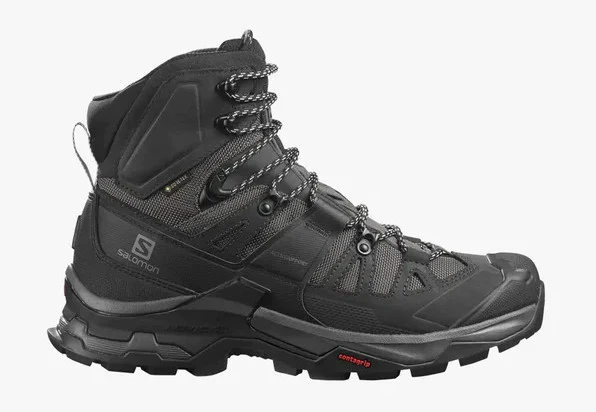 Best Overall
Salomon
Quest 4 Gore-Tex
Overall hiking and backpacking performance
The Quest 4 Gore-Tex remains one of the strongest overall hiking boots for backpackers and hikers needing support, durability, and long-distance comfort.
Pros
- +Excellent support and stability
- +Very comfortable under heavy loads
- +Strong traction
- +Excellent durability
Cons
- −Heavier than trail runners
- −Premium pricing
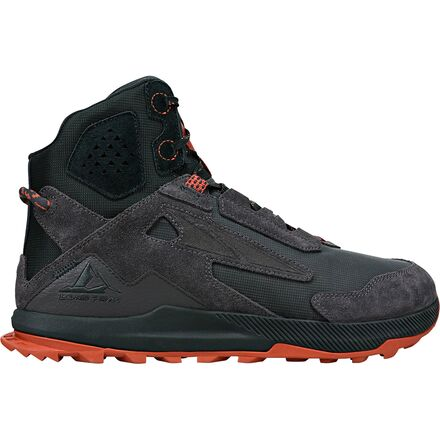 Best Lightweight
Altra
Lone Peak Hiker 2
Lightweight hiking comfort
The Lone Peak Hiker 2 blends lightweight hiking comfort with boot-style ankle coverage for hikers wanting more flexibility and natural movement.
Pros
- +Very comfortable toe box
- +Lightweight feel
- +Good hiking flexibility
- +Excellent for long-distance hiking
Cons
- −Zero-drop design requires adaptation
- −Less support for very heavy loads
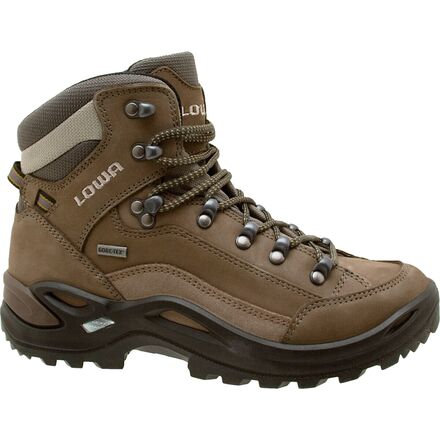 Best Backpacking Boot
LOWA
Renegade GTX Mid
Traditional backpacking support
The Renegade GTX Mid has remained one of the most respected backpacking boots for hikers prioritizing stability and durability over minimal weight.
Pros
- +Excellent long-term durability
- +Strong ankle support
- +Comfortable for backpacking
- +Very proven design
Cons
- −Heavier traditional feel
- −Requires break-in for some users
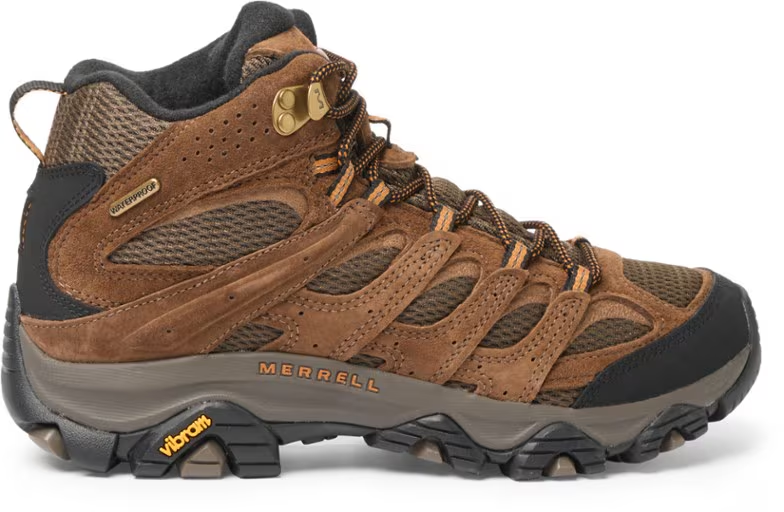 Best Budget
Merrell
Moab 3 Mid Waterproof
Budget-friendly hiking
The Moab 3 Mid Waterproof remains one of the safest budget-friendly hiking boot recommendations for casual hikers and beginners.
Pros
- +Excellent value
- +Comfortable immediately
- +Good traction
- +Widely available
Cons
- −Less premium durability
- −Heavier than lightweight hikers
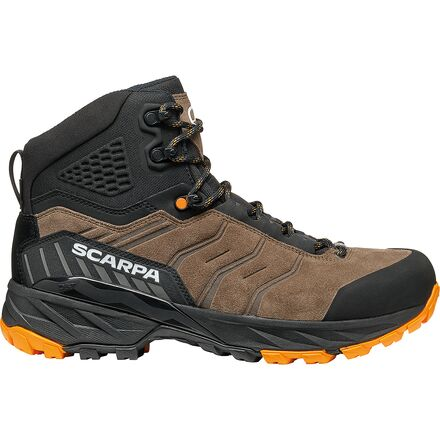 #5
#5SCARPA
Rush TRK GTX
Fast hiking and mixed terrain
The Rush TRK GTX bridges the gap between traditional hiking boots and lightweight fast-hiking footwear extremely well.
Pros
- +Excellent agility
- +Good support-to-weight balance
- +Strong traction
- +Very capable mixed-terrain boot
Cons
- −Narrower fit for some hikers
- −Premium pricing
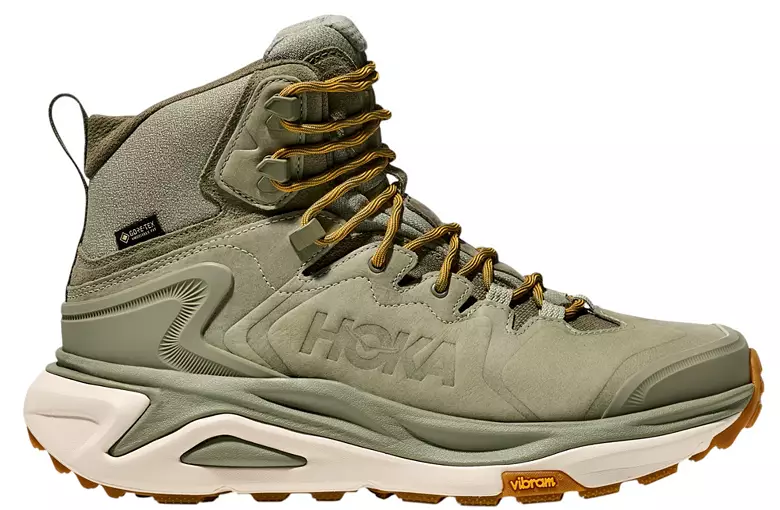 #6
#6HOKA
Kaha 3 GTX
Maximum hiking comfort
The Kaha 3 GTX focuses heavily on comfort and cushioning for hikers prioritizing reduced fatigue during long days on the trail.
Pros
- +Very comfortable cushioning
- +Excellent shock absorption
- +Good backpacking comfort
- +Strong long-distance comfort
Cons
- −Bulky appearance
- −Not ideal for technical scrambling
Hiking boots vs trail runners
Trail runners have taken over a huge portion of the hiking world, but boots still earn their place.
Boots offer more ankle support, better protection from rocks and roots, and more durability under heavy loads. Trail runners are lighter, dry faster, and feel more natural on long miles.
For casual day hiking on smooth trails, trail runners often win. For backpacking with heavier loads, mountain terrain, or hikers wanting added support, boots remain a strong choice.
Waterproof vs non-waterproof boots
Waterproof boots like Gore-Tex models keep feet dry in light rain, dewy mornings, and shallow stream crossings.
The tradeoff is breathability. Waterproof boots run warmer and dry slower if water gets inside.
For wet climates and shoulder-season hiking, waterproof is usually worth it. For hot, dry climates, non-waterproof versions are often more comfortable.
Ankle support realities
Mid-height boots offer real ankle support, especially on uneven terrain and under heavier loads.
The support is most valuable for hikers carrying weight, hiking in technical terrain, or recovering from previous ankle injuries.
For strong hikers on smooth trails, the support matters less, which is why so many backpackers have shifted to trail runners.
Cushioning and comfort
Cushioning matters most on long mileage days and rough terrain.
Max-cushion boots like the HOKA Kaha 3 GTX reduce fatigue noticeably during back-to-back hiking days.
More traditional boots offer firmer support, which some hikers prefer for stability under heavier loads.
Boot weight considerations
Every ounce on the foot costs more than the same ounce in the pack.
Lightweight hiking boots have become dramatically more capable, often offering most of the support of heavier boots at a fraction of the weight.
For most hikers, lighter is better as long as the boot still provides the support they actually need.
Traction and outsole design
Modern hiking boots almost universally use Vibram or similar high-grip rubber compounds.
Lug pattern matters more than brand name. Aggressive lugs grip soft and muddy terrain better, while moderate lugs work better on hardpack and mixed surfaces.
For most hikers, a balanced outsole handles real-world conditions better than extreme aggression.
Backpacking load support
Heavier loads demand more from boots.
A stiffer midsole, supportive ankle collar, and durable upper all become more important once pack weight crosses about 30 pounds.
The Salomon Quest 4 and LOWA Renegade GTX Mid are particularly strong here, which is why they remain favorites among traditional backpackers.
Break-in expectations
Modern hiking boots typically require less break-in than older designs, but break-in still matters.
A few short hikes before a major trip dramatically reduces blister risk.
Boots that feel uncomfortable in the first few wears rarely improve much. If a boot doesn't feel right early, it's usually the wrong fit.
Durability realities
Most quality hiking boots last between 500 and 1,000 miles depending on terrain, hiker weight, and care.
Leather and traditional construction tend to last longest. Lighter trail boots often wear out faster, which is part of the tradeoff for reduced weight.
Resolable boots from brands like LOWA can effectively last for years with periodic outsole replacement.
Lightweight hiking trends
The hiking world has shifted dramatically toward lighter footwear.
Lightweight boots, hiking shoes, and trail runners now cover most hiking scenarios that used to require heavy traditional boots.
This shift has improved comfort and reduced fatigue for huge numbers of hikers, especially on long-distance trails.
Best overall: Salomon Quest 4 Gore-Tex
The Quest 4 is the easiest premium hiking boot recommendation.
It balances support, durability, comfort, and weight better than almost anything else in its category, which makes it ideal for backpacking and demanding day hikes.
It's expensive, but the long-term comfort and durability make it a worthwhile investment for serious hikers.
Best lightweight hiking boot: Altra Lone Peak Hiker 2
The Lone Peak Hiker 2 brings the comfort of Altra's popular trail runners into a boot-style package.
The wide toe box, lightweight build, and natural ride make it a strong pick for hikers wanting boot ankle coverage without the bulk of traditional models.
It suits long-distance hikers and minimalist users especially well.
Best backpacking boot: LOWA Renegade GTX Mid
The Renegade GTX Mid has been a backpacking standard for years for good reason.
It offers the kind of long-term durability, ankle support, and stability that holds up under heavy loads on multi-day trips.
For backpackers who want a boot that will last for many seasons of serious use, it remains one of the easiest recommendations available.
Common hiking boot mistakes
The most common mistake is buying boots that are too heavy for the actual hiking you do.
The second is not breaking boots in before a major trip, which leads to avoidable blisters and discomfort.
The third is sizing too small. Feet swell during long hikes, and a boot that fits perfectly in the store often becomes painful after a few miles.