Quick Picks
Our Recommendations
 Best Overall
HOKA
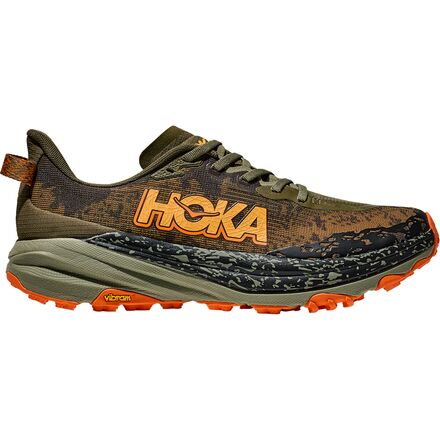
Speedgoat 6
Overall trail versatility
The Speedgoat 6 remains one of the strongest all-around trail running shoes for runners balancing comfort, traction, and long-distance versatility.
Pros
- +Excellent cushioning
- +Very strong traction
- +Comfortable on long runs
- +Excellent mixed-terrain versatility
Cons
- −Max cushioning isn't for everyone
- −Can feel bulky to minimalist runners
 Best for Technical Terrain
Salomon
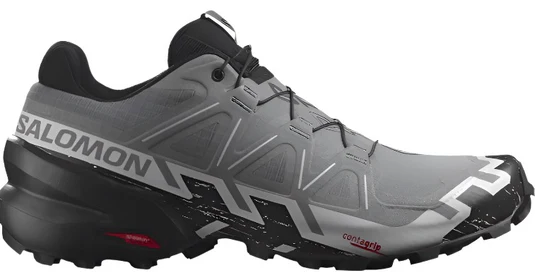
Speedcross 6
Mud and technical terrain
The Speedcross 6 continues to dominate muddy, steep, and technical terrain thanks to its aggressive outsole and secure mountain-focused fit.
Pros
- +Outstanding traction
- +Excellent mud performance
- +Secure fit
- +Very capable technical terrain shoe
Cons
- −Less comfortable on pavement
- −More aggressive feel
 Best Ultrarunning Shoe
Altra
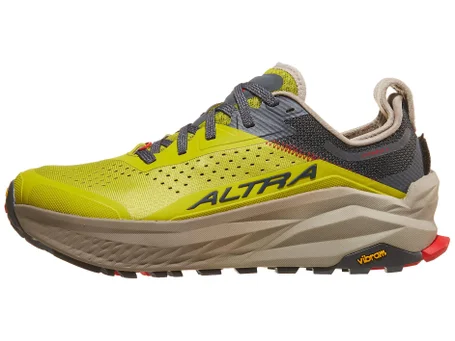
Olympus 6
Ultradistance comfort
The Olympus 6 prioritizes long-distance comfort and foot space, making it extremely popular among ultrarunners and thru-hikers.
Pros
- +Excellent long-distance comfort
- +Wide toe box
- +Very cushioned ride
- +Good for hiking and running crossover
Cons
- −Zero-drop design requires adaptation
- −Bulky for faster short runs
 Best Value
Brooks
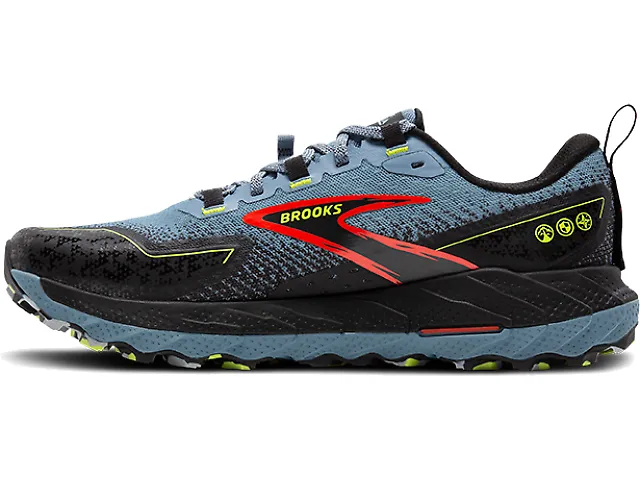
Cascadia 18
Balanced trail performance
The Cascadia 18 remains one of the safest and most versatile trail running shoes for runners wanting predictable performance across varied terrain.
Pros
- +Very balanced design
- +Stable platform
- +Good durability
- +Comfortable for mixed terrain
Cons
- −Heavier than some competitors
- −Less exciting ride feel
 #5
#5La Sportiva
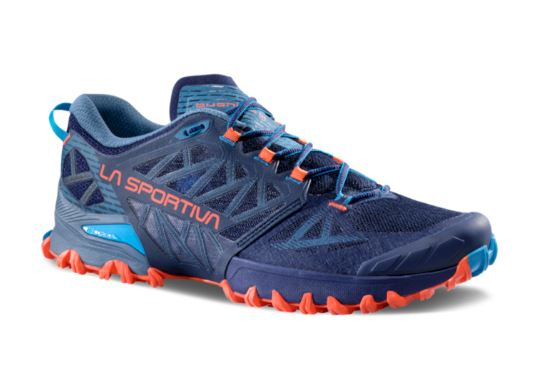
Bushido III
Rocky mountain terrain
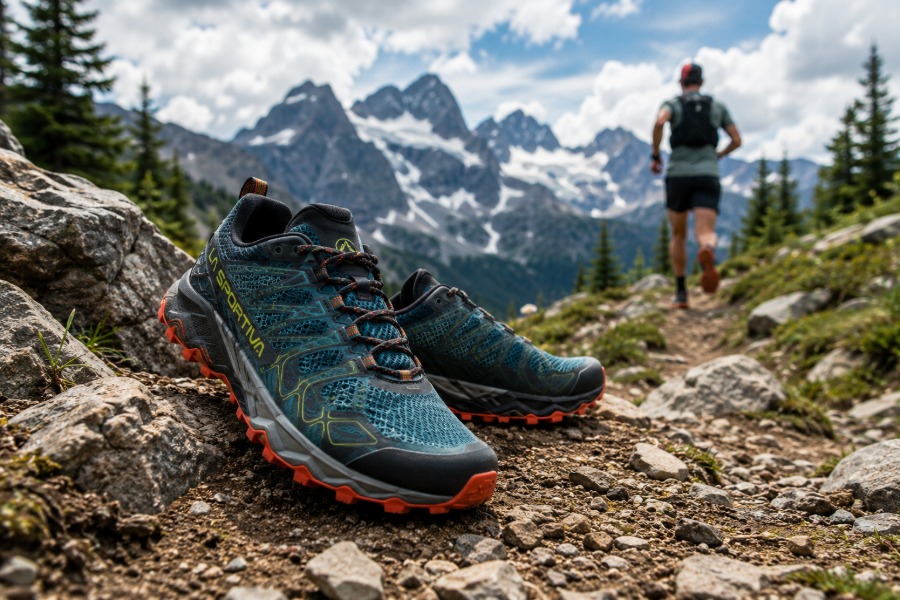
The Bushido III excels in steep, rocky, and technical mountain terrain where precision and grip matter more than soft cushioning.
Pros
- +Excellent technical precision
- +Very strong grip
- +Stable on rocky terrain
- +Excellent mountain performance
Cons
- −Narrower fit
- −Firm ride
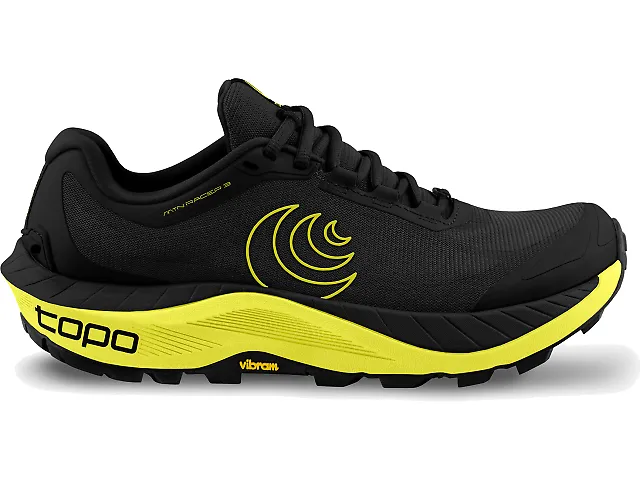 #6
#6Topo Athletic
MTN Racer 3
Natural running feel
The MTN Racer 3 offers a comfortable middle ground between natural foot movement and modern trail cushioning.
Pros
- +Comfortable toe box
- +Balanced cushioning
- +Lightweight feel
- +Good traction
Cons
- −Less widely available
- −Not ideal for very muddy terrain
What actually matters in trail running shoes
The right trail shoe disappears under your foot.
Fit, traction, and protection from rocks matter more than spec sheets and marketing language.
Most runners do better focusing on comfort and confidence on rough terrain than chasing trendy midsole foams or extreme weight savings.
Cushioning vs ground feel
Maximum cushion shoes like the HOKA Speedgoat 6 and Altra Olympus 6 protect feet during long mileage and reduce fatigue on harder surfaces.
Lower-stack shoes like the La Sportiva Bushido III give better ground feedback, which matters on technical terrain where precise foot placement is essential.
Neither approach is universally better. The right choice depends on terrain, distance, and personal preference.
Traction and outsole design
Outsole design defines how confidently you can move across loose, wet, or steep terrain.
Deep, aggressive lugs (like the Salomon Speedcross 6) excel in mud and soft trail. Sticky rubber compounds like Vibram Megagrip work better on wet rock and dry technical terrain.
Most runners are best served by a versatile mid-aggression outsole that performs reasonably across mixed conditions.
Rock plates explained
Rock plates are thin protective layers built into the midsole to shield feet from sharp impacts.
They add comfort and confidence on rocky terrain but slightly reduce ground feel and flexibility.
For runners on rocky trails, ultradistance routes, or mountain terrain, rock plates make a noticeable difference in foot fatigue at the end of long runs.
Wide toe boxes vs precision fit
Wide toe boxes (Altra, Topo Athletic) allow toes to splay naturally, which improves stability and comfort over long distances.
Precision-fit shoes (Salomon, La Sportiva) lock the foot in place for better control on technical terrain.
Most runners do well with a balanced fit, but understanding the tradeoff helps narrow down the right shoe quickly.
Trail runners for hiking crossover use
Trail runners have largely replaced traditional hiking boots for many backpackers and thru-hikers.
They're lighter, dry faster, and feel more natural on long miles. The HOKA Speedgoat 6 and Altra Olympus 6 are particularly popular crossover shoes.
For casual day hikes and long-distance backpacking on established trails, a good trail runner often outperforms a heavier boot.
Ultramarathon considerations
Ultradistance running rewards comfort over speed.
Feet swell, fatigue compounds, and small irritations become major problems over 50 to 100 miles.
Max-cushion shoes with roomy toe boxes, like the Olympus 6 or Speedgoat 6, dominate this category for good reason.
Technical mountain terrain
Steep, rocky, and exposed mountain terrain demands precision.
Lower-stack, locked-in shoes like the La Sportiva Bushido III let runners feel and respond to terrain in ways that maximalist shoes can't.
For runners on steep mountain routes, scrambling sections, or alpine terrain, this kind of precision matters more than cushioning.
Wet weather and mud performance
Aggressive lugs and quick-draining uppers transform wet-weather running.
The Salomon Speedcross 6 remains one of the best mud shoes available. Most other trail runners handle moderate wet conditions well but struggle when terrain becomes truly slick.
Waterproof versions of trail runners are usually a mistake. Once water gets in, it stays in. For pure running, breathable uppers almost always win.
Durability realities
Most trail running shoes last between 300 and 500 miles depending on terrain and runner weight.
Outsole wear usually appears first, especially on rocky or hard-packed routes.
Runners who alternate between two pairs of shoes typically extend the lifespan of both, and shoes get a chance to dry fully between runs.
Best overall: HOKA Speedgoat 6
The Speedgoat 6 is the easiest recommendation in the category.
It combines reliable traction, plush cushioning, and a roomier upper than previous versions, which makes it comfortable across almost any terrain or distance.
It's not the lightest or the most precise option, but it's the shoe most runners will be happiest in for the most miles.
Best ultrarunning shoe: Altra Olympus 6
The Olympus 6 is built for the kind of long days where comfort matters more than anything else.
The wide toe box, max cushioning, and zero-drop platform suit ultrarunners and long-distance backpackers especially well.
It takes time to adapt to the zero-drop geometry, but for runners who do, it becomes hard to switch back.
Best for technical terrain: La Sportiva Bushido III
The Bushido III is purpose-built for steep, rocky, and technical mountain terrain.
Its precise fit, sticky rubber, and stable platform make it one of the most confident shoes available on serious mountain routes.
It's not the right shoe for casual trail running, but for runners regularly on technical terrain, it's hard to beat.
Common mistakes runners make when buying trail shoes
The most common mistake is buying based on reviews instead of fit.
The second is choosing aggressive technical shoes for trails that don't actually demand them, which usually leads to discomfort on long runs.
The third is replacing shoes too late. Worn outsoles dramatically reduce traction and increase injury risk on uneven terrain.