Quick Picks
Our Recommendations
 Best Overall
Garmin
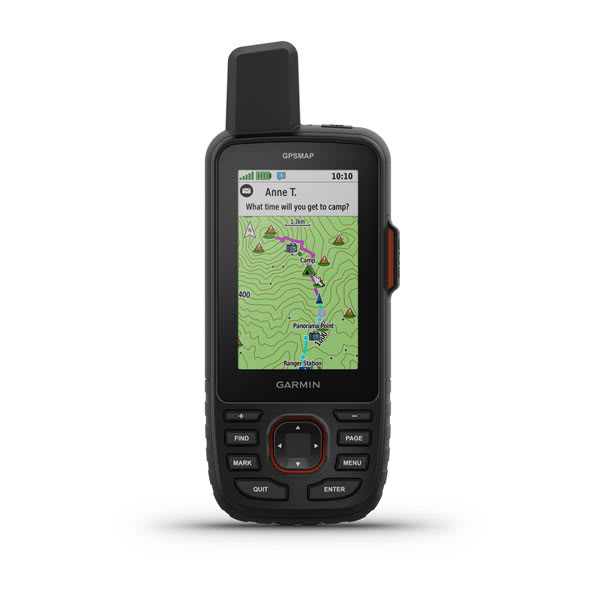
GPSMAP 67i
Serious backcountry navigation
The GPSMAP 67i remains one of the strongest handheld GPS options for serious backpackers, hunters, overlanders, and remote backcountry travelers.
Pros
- +Excellent navigation accuracy
- +Satellite communication capability
- +Outstanding battery life
- +Very rugged design
Cons
- −Bulky compared to watches
- −Expensive
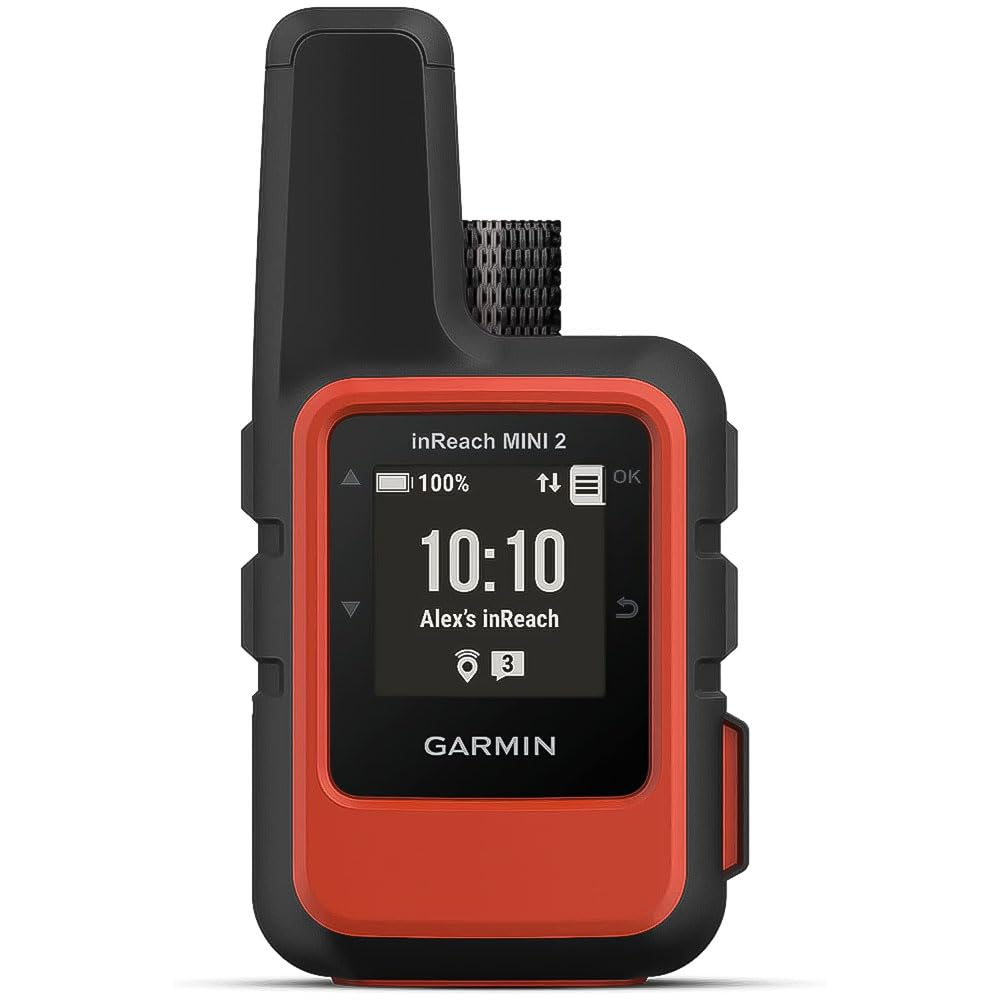 Best Satellite Communicator
Garmin
inReach Mini 2
Emergency communication
The inReach Mini 2 provides an extremely valuable safety layer for hikers and backpackers traveling beyond cell coverage.
Pros
- +Reliable satellite messaging
- +Compact size
- +Excellent emergency capability
- +Strong battery efficiency
Cons
- −Requires subscription
- −Small interface
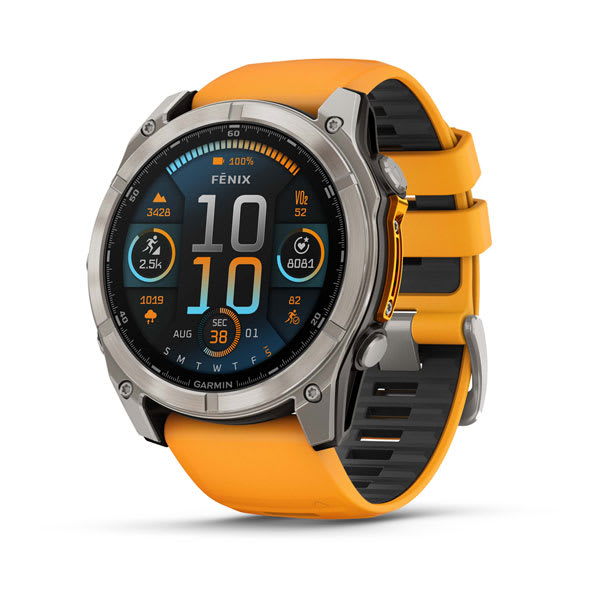 Best GPS Watch
Garmin
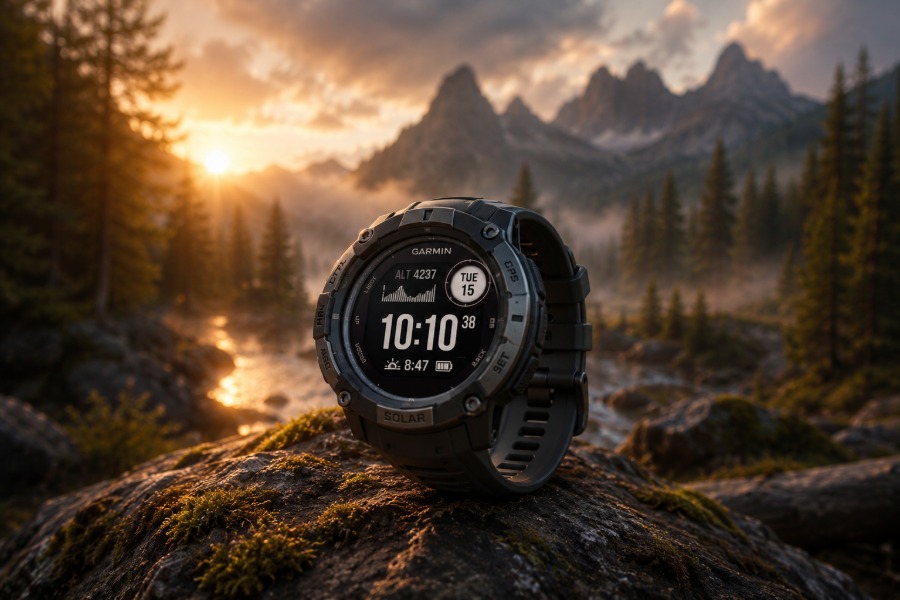
Fenix 8 Solar
Wearable navigation and fitness
The Fenix 8 Solar combines premium smartwatch functionality with serious outdoor navigation and mapping capabilities.
Pros
- +Advanced mapping features
- +Excellent fitness tracking
- +Premium construction
- +Very capable navigation
Cons
- −Very expensive
- −Smaller screen than handheld GPS units
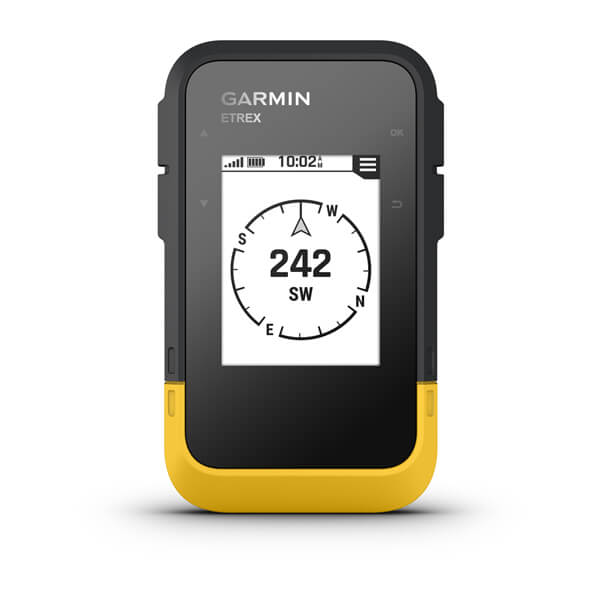 Best Budget
Garmin
eTrex SE
Affordable navigation
The eTrex SE remains a solid entry-level hiking GPS device for hikers wanting dependable navigation without premium pricing.
Pros
- +Affordable
- +Excellent battery life
- +Very simple operation
- +Reliable GPS tracking
Cons
- −Limited advanced mapping
- −Basic display
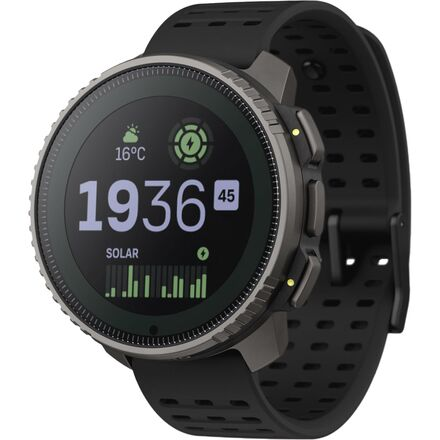 #5
#5Suunto
Vertical
Offline mapping and battery life
The Suunto Vertical focuses heavily on practical outdoor navigation and endurance-oriented battery performance.
Pros
- +Excellent offline maps
- +Very good battery life
- +Clean outdoor-focused interface
- +Strong GPS performance
Cons
- −Smaller app ecosystem
- −Limited smartwatch ecosystem
 #6
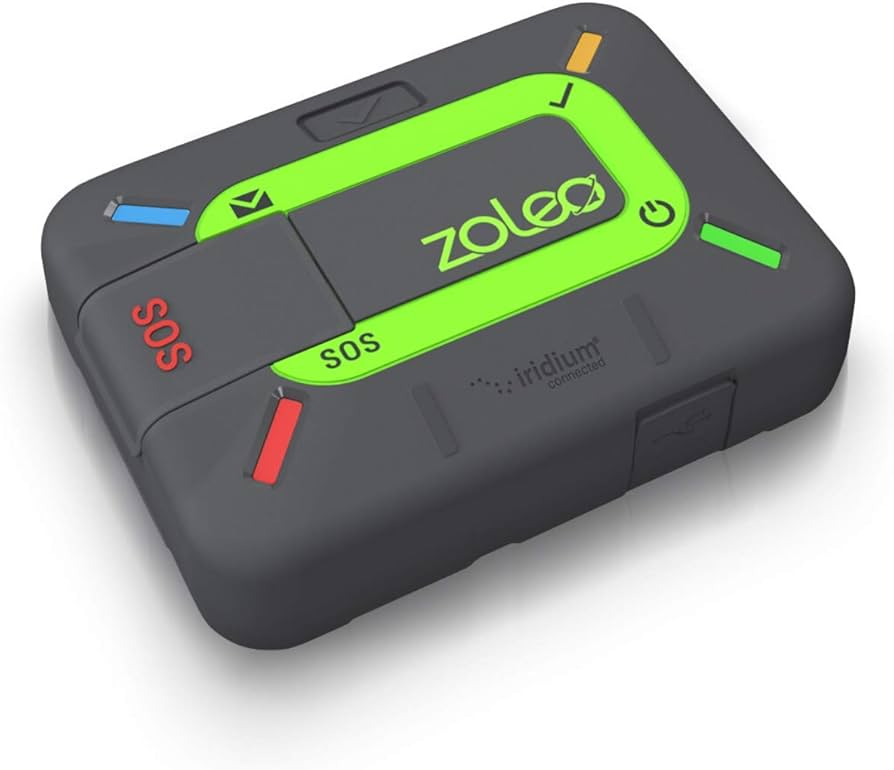
#6ZOLEO
Satellite Communicator
Simple emergency communication
The ZOLEO communicator provides a simpler and more affordable emergency communication solution for hikers and backpackers.
Pros
- +Simple messaging system
- +Good value
- +Reliable satellite coverage
- +Strong safety features
Cons
- −Limited navigation features
- −Subscription required
Why GPS devices matter more in remote terrain
Phones and paper maps work fine on well-marked trails.
The further you move from established routes, the more GPS devices start to matter. Cell coverage disappears, weather changes faster than expected, and small navigation mistakes compound quickly.
A dedicated GPS device gives you a reliable second source of truth that doesn't depend on cell towers, doesn't drain your phone battery, and keeps working when conditions get bad.
GPS watches vs handheld GPS units
GPS watches are convenient, lightweight, and great for tracking and confirming direction at a glance.
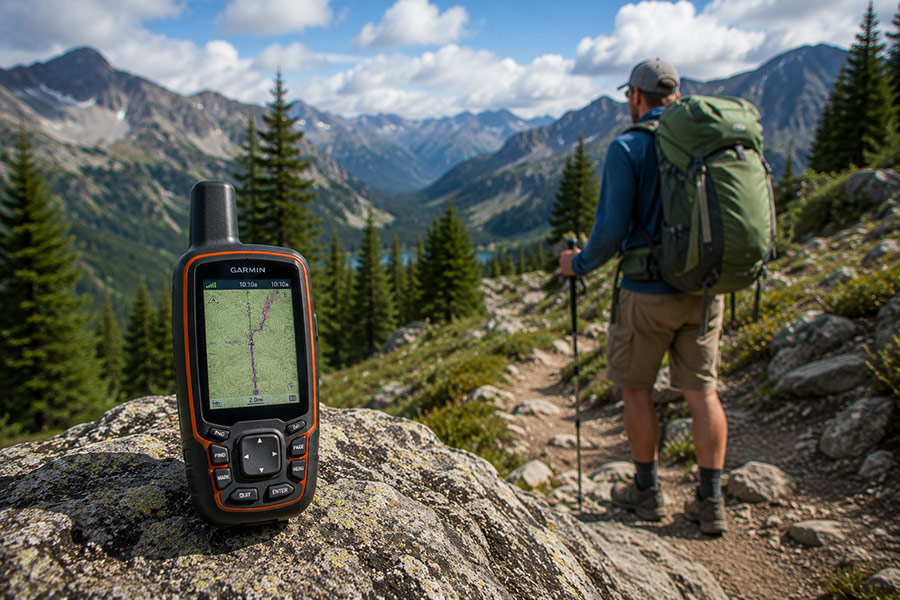
Handheld GPS units like the GPSMAP 67i offer larger screens, better mapping detail, longer battery life, and more comfortable use during active route planning.
For casual hiking, a watch is usually enough. For serious backcountry navigation, a handheld is hard to beat.
Satellite communicators explained
Satellite communicators don't replace GPS units. They add two-way messaging and SOS capability anywhere in the world.
Devices like the inReach Mini 2 and ZOLEO let you check in with family, message contacts off-grid, and trigger emergency rescue if needed.
For any trip outside reliable cell coverage, a satellite communicator is one of the highest-value pieces of safety gear you can carry.
Offline maps vs phone apps
Phone apps like Gaia GPS and CalTopo are excellent for trip planning and casual hiking.
Dedicated GPS devices add waterproofing, drop resistance, longer battery life, and reliability in cold conditions where phones struggle.
For serious trips, both work well together. Use the phone for richer planning and the GPS for in-field reliability.
Battery life realities
Phones drain quickly with GPS active and screens on. Cold weather makes it worse.
Dedicated GPS units regularly last days or weeks on a single charge or set of batteries, even with active tracking.
For multi-day backpacking trips, that battery efficiency is one of the biggest practical advantages of a real GPS device.
Emergency SOS features
Modern satellite communicators connect directly to professional emergency response coordination centers.
Triggering an SOS sends your exact location and starts a rescue process immediately.
This capability has saved countless lives in remote backcountry settings and is genuinely worth the cost of admission for solo hikers and remote travelers.
Multi-band GPS accuracy
Multi-band GPS uses multiple satellite frequencies to dramatically improve accuracy in difficult environments.
Deep canyons, dense forest, and steep terrain all interfere with traditional GPS signals. Multi-band devices stay accurate where older GPS units drift.
For hikers regularly navigating challenging terrain, it's a meaningful upgrade.
Backpacking and expedition use
On longer trips, battery life, ruggedness, and emergency communication matter more than features.
A combined unit like the GPSMAP 67i, or pairing a satellite communicator with a GPS watch, covers the most important needs for serious backpackers.
Lightweight setups still work, but the margin for error shrinks as trips get longer and more remote.
Weather resistance and durability
GPS devices live in tough environments. Rain, snow, drops, and dust are unavoidable.
Dedicated outdoor GPS units are built around this reality. Most are fully waterproof, drop-rated, and designed to keep working in cold weather where phones shut down.
This durability is a major reason serious hikers continue to carry dedicated GPS devices alongside their phones.
Best overall GPS device: Garmin GPSMAP 67i
The GPSMAP 67i combines premium navigation, satellite communication, multi-band GPS, and excellent battery life in one rugged package.
For serious backpackers, hunters, and remote travelers, it remains one of the most capable single-device solutions available.
It's expensive, but the combined feature set replaces multiple devices in a typical backcountry kit.
Best budget GPS device: Garmin eTrex SE
The eTrex SE strips things back to the essentials.
Reliable GPS tracking, excellent battery life, and a simple interface make it an easy recommendation for hikers wanting dependable navigation without premium pricing.
It's not flashy, but it works, and that's exactly the point.
Best satellite communicator: Garmin inReach Mini 2
The inReach Mini 2 is small enough to forget about and powerful enough to call for help anywhere on Earth.
Its two-way messaging, location sharing, and SOS capability cover the most important safety scenarios for solo hikers and remote backpackers.
For anyone regularly hiking outside cell coverage, it's one of the highest-value pieces of gear in the pack.