Quick Picks
Our Recommendations
 Best Overall
Jackery
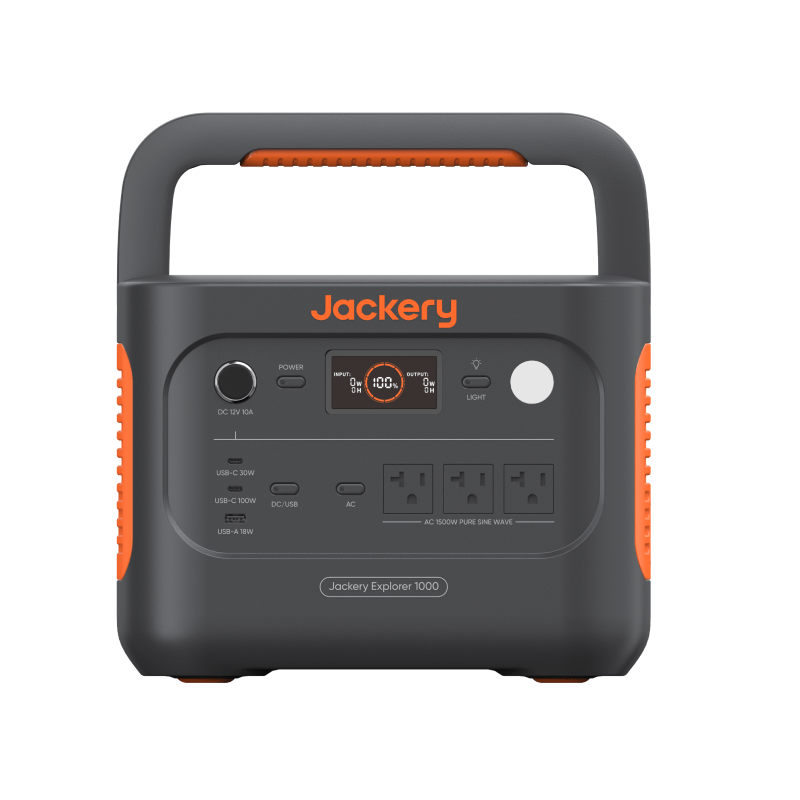
Explorer 1000 v2
Most campers and road trips
The Explorer 1000 v2 hits the sweet spot for most campers. It can comfortably handle lighting, device charging, portable fridges, drones, cameras, and small cooking appliances without becoming excessively heavy or complicated.
Pros
- +Excellent balance of size and capacity
- +Reliable brand reputation
- +Fast charging
- +Very beginner-friendly interface
Cons
- −Premium pricing
- −Not the lightest in its class
 Best Budget
EcoFlow
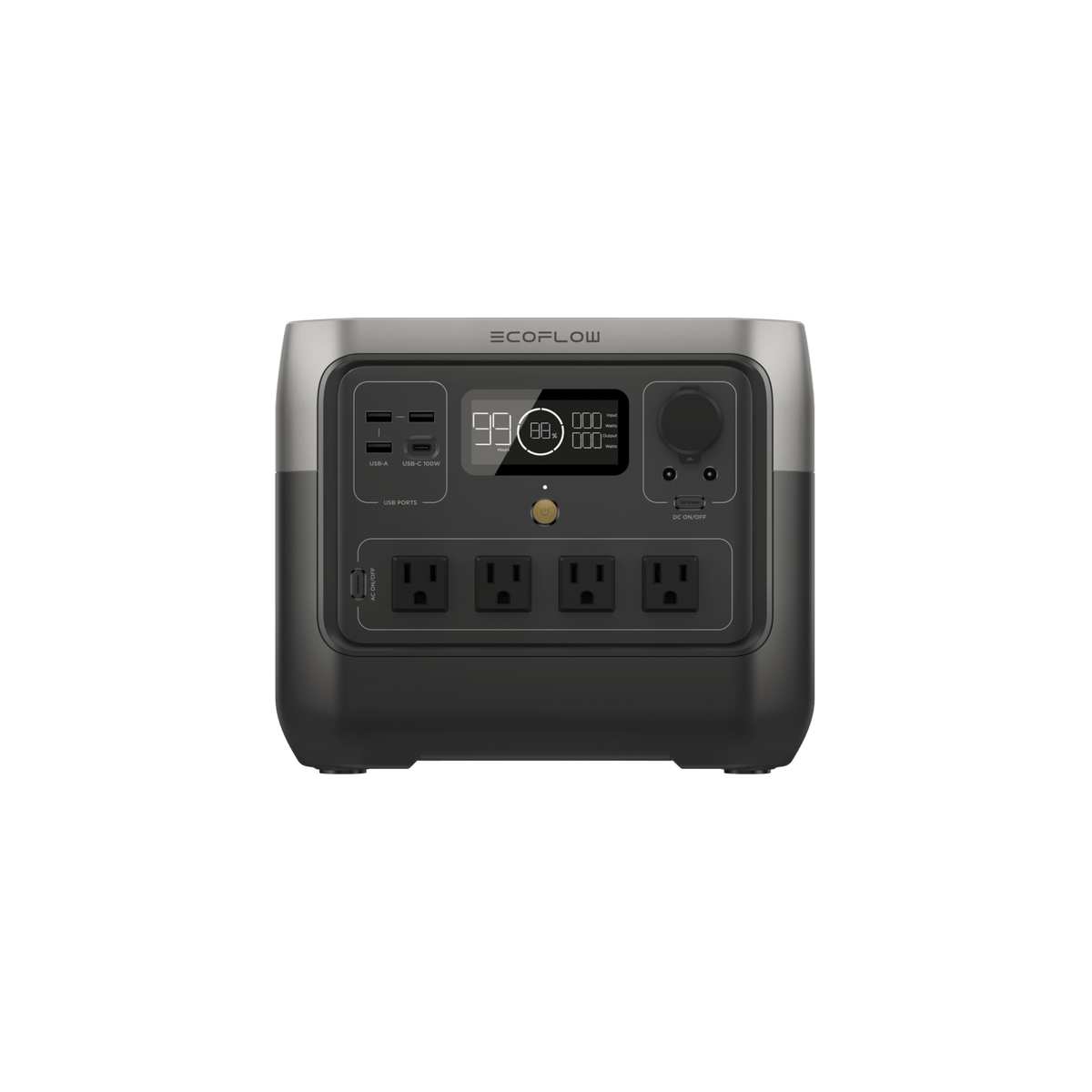
River 2 Pro
Budget-conscious campers
The River 2 Pro is one of the strongest values for casual camping and weekend outdoor trips. It's compact enough to travel easily while still providing enough capacity for most common camping electronics.
Pros
- +Very fast recharge speeds
- +Compact footprint
- +Good app integration
- +Excellent value
Cons
- −Lower total capacity
- −Fan noise can become noticeable
 Best for Overlanding
BLUETTI
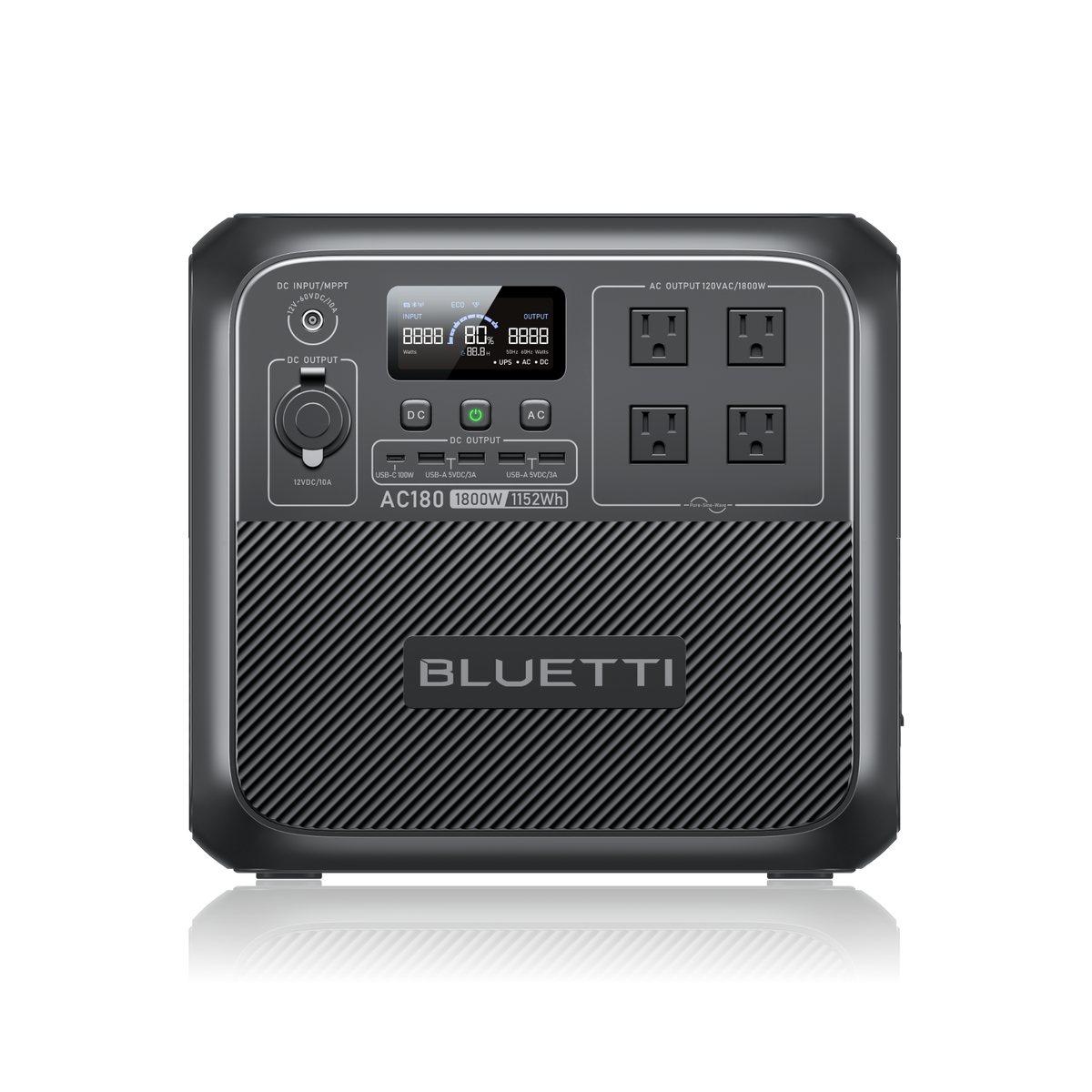
AC180
Overlanding and extended trips
The AC180 works especially well for campers spending multiple days off-grid. It has enough capacity for portable refrigerators, cooking accessories, and extended device charging without needing constant recharging.
Pros
- +Large usable capacity
- +Strong inverter output
- +Excellent solar charging support
- +Durable build quality
Cons
- −Heavier than compact models
- −Less convenient for short trips
 Best Lightweight
Anker
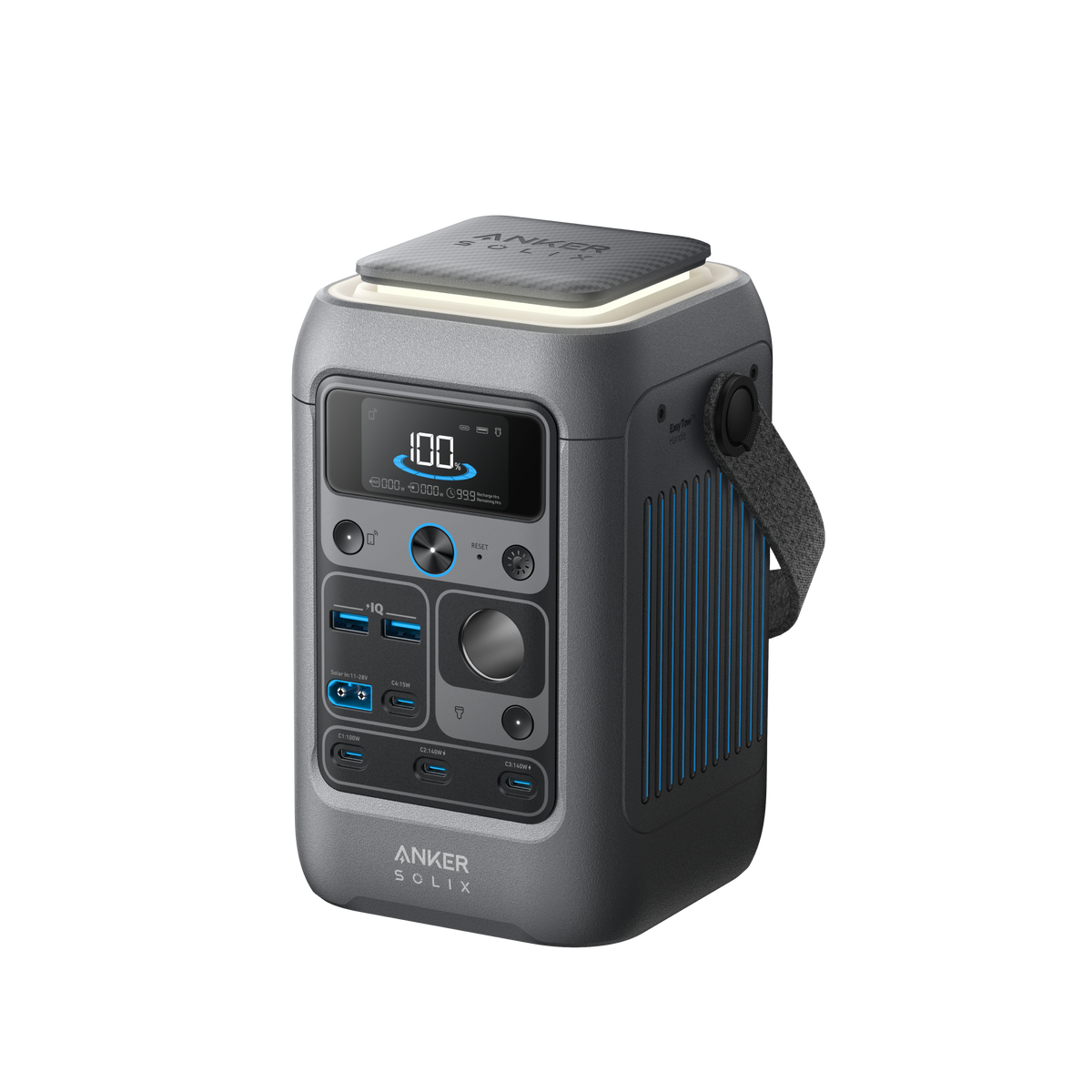
SOLIX C300
Minimalist campers and short trips
The SOLIX C300 is ideal for campers who mainly want dependable charging for phones, lights, tablets, cameras, and small electronics without carrying a heavy battery box.
Pros
- +Very portable
- +Simple operation
- +Good for light electronics
- +Affordable entry point
Cons
- −Limited high-power appliance support
- −Smaller battery reserve
Why portable power stations have become so popular
Camping gear has become increasingly electronic over the past decade.
Phone charging, GPS devices, drones, portable fridges, LED camp lighting, Starlink systems, action cameras, and portable cooking gear all create growing power demands during outdoor trips.
Portable power stations solve that problem far more cleanly than noisy gas generators.
Modern lithium-based systems are quieter, safer, easier to transport, and dramatically more campground-friendly.
How much battery capacity do you actually need?
Most campers buy far more battery capacity than they realistically use.
Weekend campers who mainly charge phones, lights, cameras, and small electronics often do perfectly fine with compact systems under 800Wh.
Larger systems become worthwhile once you're powering electric coolers, portable cooking gear, Starlink, CPAP machines, or longer off-grid setups.
The trick is balancing usable runtime against weight. Extremely large power stations quickly become awkward to move around campsites.
LiFePO4 batteries are worth prioritizing
One of the biggest upgrades in modern power stations is the shift toward LiFePO4 battery chemistry.
Compared to older lithium-ion designs, LiFePO4 batteries generally offer longer cycle life, better thermal stability, and improved long-term durability.
For campers planning to use a power station regularly over multiple seasons, this matters significantly.
Solar charging sounds better than it often is
Solar charging can absolutely extend off-grid trips, but many first-time buyers overestimate how quickly portable panels recharge large battery stations.
Cloud cover, tree shade, panel angle, and short winter daylight hours dramatically affect performance.
Solar works best as a supplemental charging strategy rather than a magic unlimited-power solution.
Best overall: Jackery Explorer 1000 v2
The Explorer 1000 v2 feels purpose-built for realistic camping use.
It's large enough to comfortably power most outdoor electronics during multi-day trips, but still manageable enough to move around campsites without becoming annoying.
Jackery also keeps the interface extremely approachable for beginners, which matters more than people realize. Some high-end battery systems become surprisingly confusing once you start juggling charging inputs, output limits, and solar integration.
For most campers, road trippers, and occasional overlanders, this is one of the safest all-around buys in the category.
Best budget option: EcoFlow River 2 Pro
The River 2 Pro is an excellent entry point for campers who don't need huge battery reserves.
Its biggest advantage is convenience. Fast charging means you can top it off quickly before trips, and the compact footprint makes it easy to toss into the back of a vehicle without reorganizing your entire gear setup.
For casual camping, fishing trips, and short outdoor weekends, it's one of the best value-focused portable power stations available right now.
Who actually needs a large power station?
Larger battery systems mainly make sense for overlanders, RV users, long-term off-grid campers, and people running power-hungry appliances.
Portable fridges, electric cooking devices, heated blankets, Starlink systems, and camera-heavy content creation setups consume significantly more power than casual camping electronics.
If your camping style mainly involves charging phones and running lights, smaller systems are usually the smarter purchase.