
Quick Picks
Our Recommendations
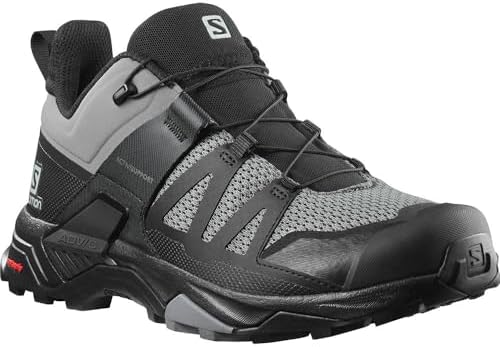 Best Overall
Salomon
X Ultra 4 GTX
Most beginner hikers
The X Ultra 4 GTX remains one of the safest recommendations for new hikers because it blends trail-runner comfort with enough stability for rocky trails and beginner backpacking trips.
Pros
- +Excellent traction on loose terrain
- +Supportive without feeling bulky
- +Reliable waterproofing
- +Great balance of comfort and stability
Cons
- −Runs slightly narrow for some hikers
- −More expensive than budget options
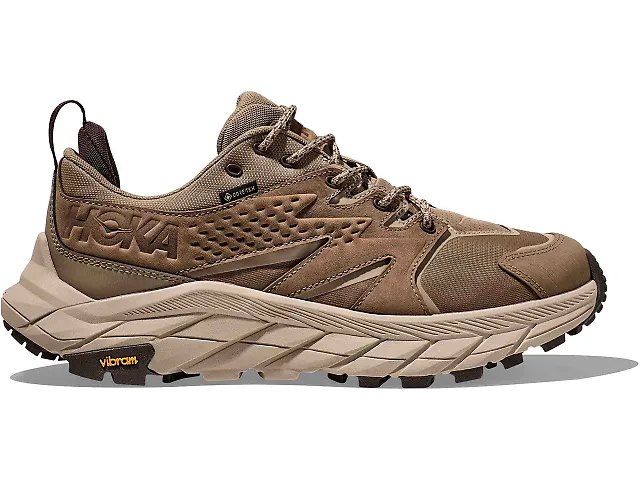 Best Comfort
HOKA
Anacapa Low GTX
Maximum comfort
The Anacapa Low GTX feels almost like a hiking sneaker. Beginners who prioritize comfort and joint-friendly cushioning will appreciate the softer ride on long day hikes.
Pros
- +Very cushioned ride
- +Comfortable for long hikes
- +Good shock absorption
- +Smooth walking feel
Cons
- −Less precise on technical terrain
- −Bulkier than lightweight trail shoes
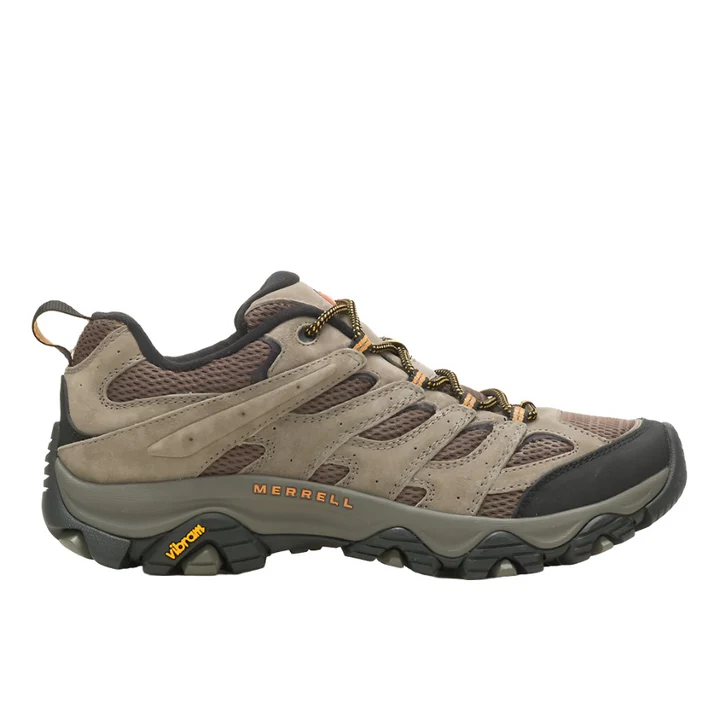 Best Budget
Merrell
Moab 3
Budget-friendly hiking
The Moab series has been a beginner hiking favorite for years because it delivers dependable comfort and durability at a reasonable price.
Pros
- +Excellent value
- +Comfortable immediately
- +Widely available
- +Good all-around traction
Cons
- −Heavier than modern trail-style hikers
- −Less athletic feel
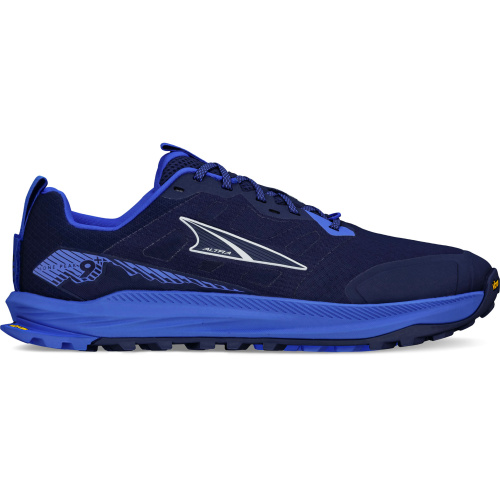 Best Lightweight
Altra
Lone Peak 9
Lightweight hiking and wide toe comfort
The Lone Peak is popular among hikers who prefer a more natural walking feel and roomy fit. It's ideal for lighter hikes and fast-moving trail days.
Pros
- +Very lightweight feel
- +Wide toe box
- +Excellent trail comfort
- +Popular among thru-hikers
Cons
- −Zero-drop design takes adjustment
- −Less support for heavy packs
What beginners should look for in hiking shoes
Most new hikers don't need heavy mountaineering boots. In fact, overly stiff boots can make beginner hikes less comfortable and more tiring.
For day hikes and casual weekend adventures, most beginners should prioritize comfort, grip, moderate support, and lightweight construction.
The biggest mistake new hikers make is buying boots that are too heavy for the terrain they actually hike. Modern hiking shoes and trail-style hikers are often more comfortable and versatile for everyday outdoor use.
Hiking shoes vs hiking boots
For most beginners, low-cut hiking shoes are easier to wear and break in than traditional boots.
Low-cut shoes are lighter, cooler in warm weather, and often feel more natural for beginners transitioning from regular sneakers.
Mid-height boots become more useful if you're carrying heavier backpacks, hiking in colder weather, or regularly walking on rocky terrain with ankle instability.
Should beginners buy waterproof hiking shoes?
Waterproof hiking shoes are great for wet trails, muddy conditions, and cold-weather hikes.
However, waterproof shoes can run warmer during summer hikes. If most of your hiking happens in dry climates or hot weather, breathable non-waterproof shoes may feel more comfortable.
For most beginners, a waterproof hiking shoe is still the safer all-around choice.
Fit matters more than brand
The best hiking shoe is the one that fits your foot shape comfortably.
Some brands run narrow, while others have wider toe boxes or softer cushioning. Salomon shoes often fit narrower. Altra shoes are known for wide toe boxes. HOKA focuses heavily on cushioning.
If possible, try hiking shoes later in the day when your feet are slightly swollen, similar to how they'll feel during long hikes.
How we evaluated these hiking shoes
We focused on beginner-friendly performance rather than extreme technical hiking.
Our picks prioritize immediate comfort, confidence on uneven terrain, traction, versatility, and value. We also considered long-term durability, cushioning, and how forgiving each shoe feels for hikers with limited outdoor experience.