Quick Picks
Our Recommendations
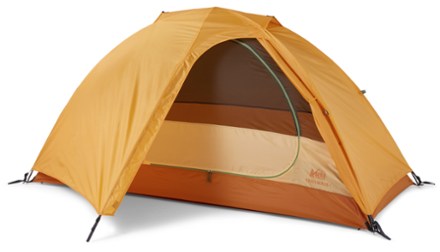 Best Overall
REI Co-op
Trailmade 2 Tent
Most campers and weekend adventures
The Trailmade 2 hits one of the best value points in camping right now. It's easy to pitch, weather-resistant enough for unpredictable weekends, and feels noticeably more refined than many budget tents sold online.
Pros
- +Very beginner-friendly setup
- +Excellent balance of weight and comfort
- +Reliable rainfly coverage
- +Strong value for the quality
Cons
- −Not ideal for tall campers sharing space
- −Vestibule storage could be larger
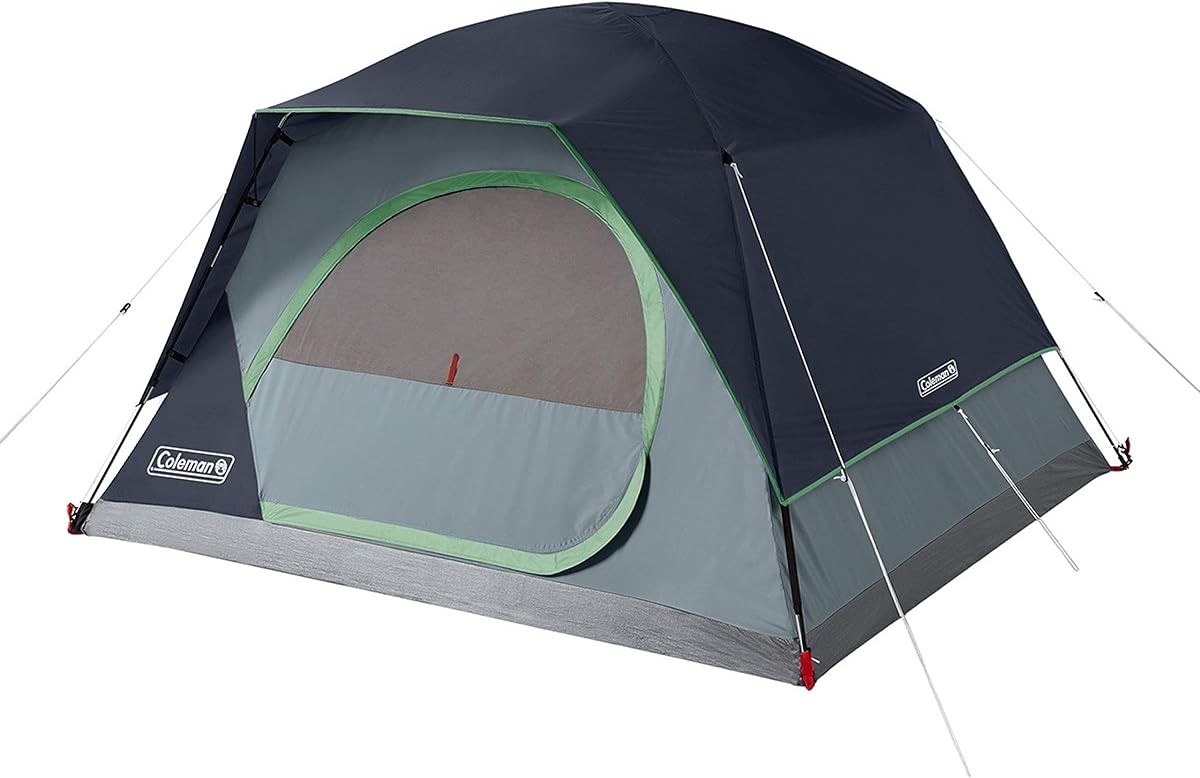 Best Family Tent
Coleman
Skydome 6
Family camping and car camping
The Coleman Skydome 6 is one of the easiest ways to make camping enjoyable for families without spending premium money. Standing room and fast setup matter more than ultralight specs when camping with kids or extra gear.
Pros
- +Large interior space
- +Very fast setup
- +Excellent beginner family tent
- +Affordable for its size
Cons
- −Heavy and bulky packed size
- −Less suitable for strong mountain winds
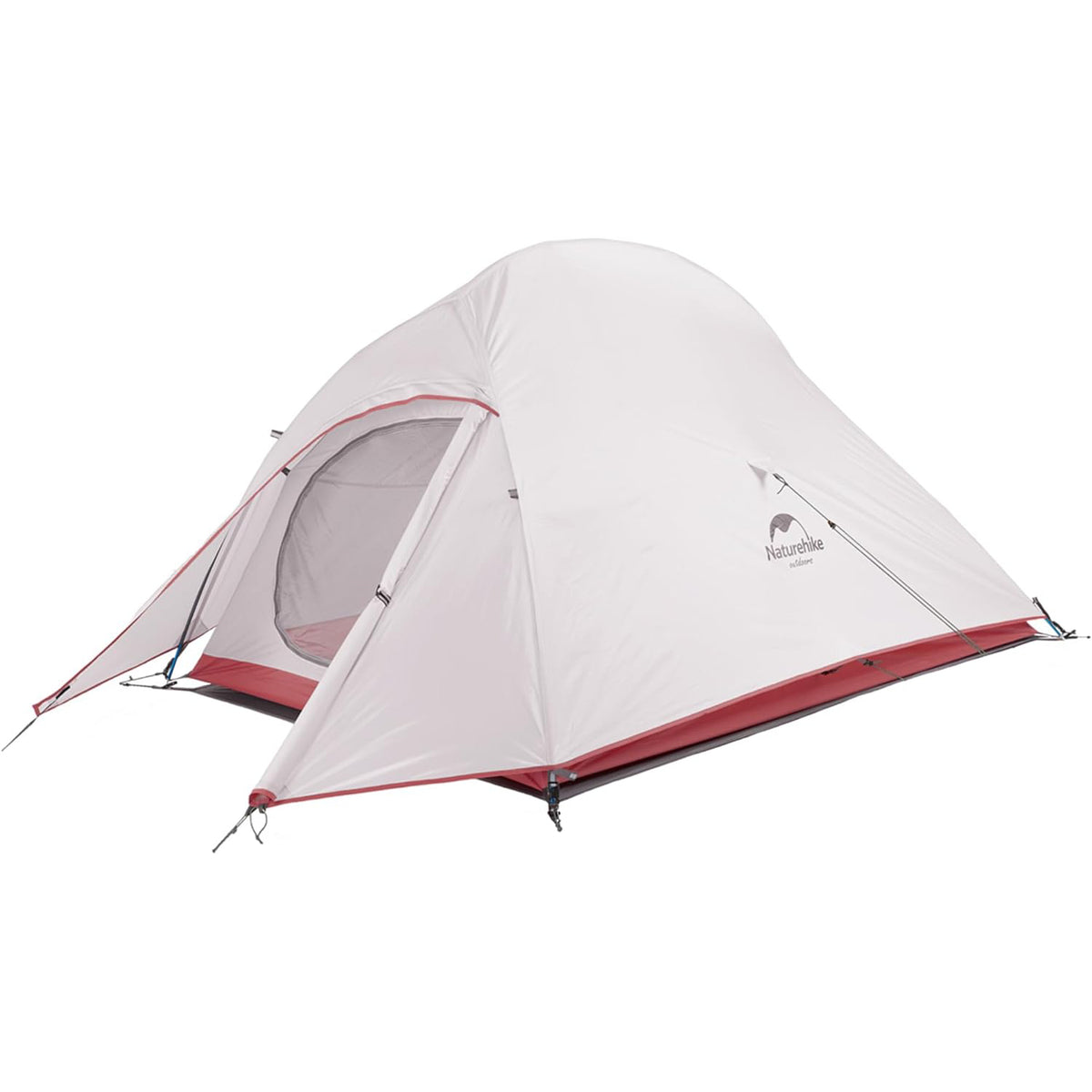 Best Backpacking Value
Naturehike
Cloud-Up 2
Budget backpacking
The Cloud-Up 2 gives beginner backpackers an affordable way into lightweight camping without immediately jumping into expensive ultralight gear.
Pros
- +Very lightweight for the price
- +Compact packed size
- +Good entry-level backpacking option
- +Solid rain performance
Cons
- −Tight interior for two adults
- −Ventilation could be better in humid weather
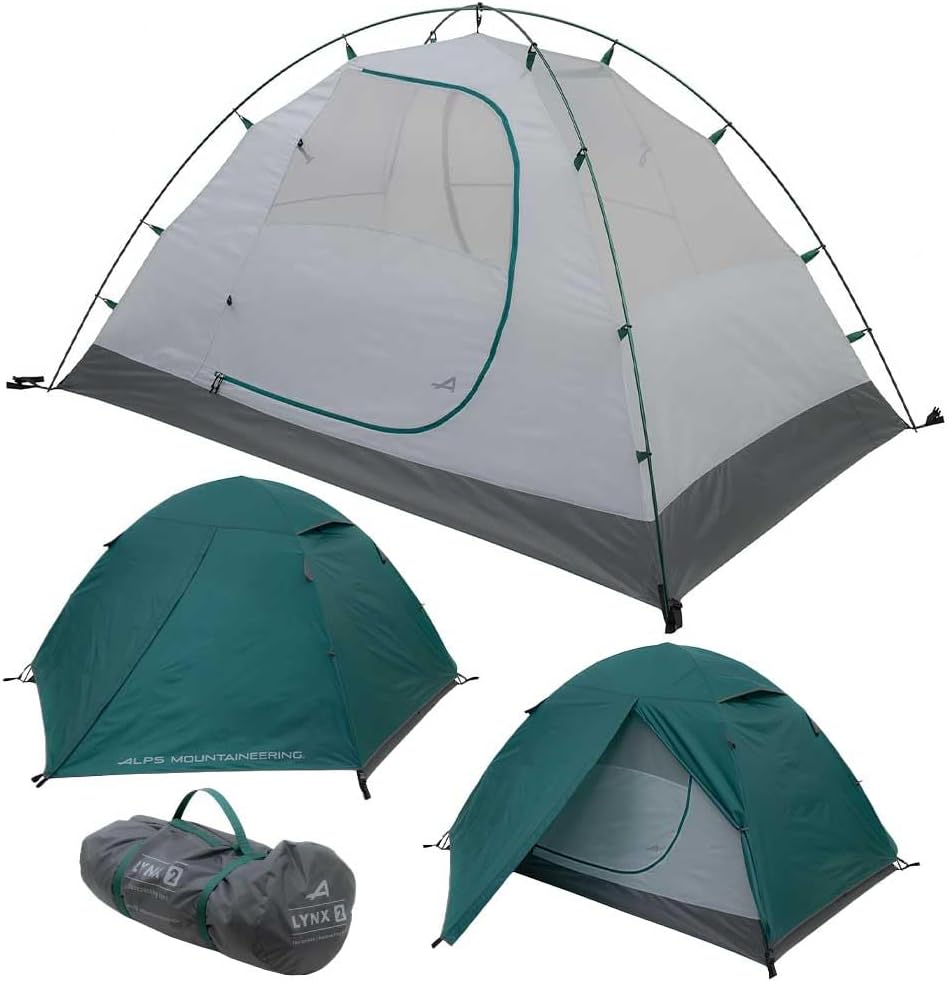 Best Weather Protection
ALPS Mountaineering
Lynx 2
Cool weather and wet conditions
The Lynx 2 has quietly become one of the more reliable budget-friendly tents for campers who regularly deal with wet conditions and colder nights.
Pros
- +Excellent rainfly coverage
- +Strong value
- +Good ventilation design
- +Durable floor construction
Cons
- −Slightly heavier than backpacking-focused options
- −Interior organization is basic
Why you can trust TrekFinds
TrekFinds focuses specifically on outdoor gear, camping equipment, hiking products, and trail-ready recommendations. Our guides prioritize real-world usability instead of spec-sheet marketing.
For this guide, we evaluated tents based on setup simplicity, rain protection, ventilation, livable space, durability, packed size, and overall value for beginner and intermediate campers.
We also intentionally avoided overloaded Amazon-style listicles filled with generic low-quality tent brands that perform poorly once conditions become windy, wet, or cold.
How we evaluated these camping tents
Budget camping gear often looks similar online, but the real differences appear after sunset.
We prioritized tents that remain easy to live with after multiple camping trips, not just one weekend. That includes weather resistance, zipper quality, condensation management, ease of setup, interior comfort, and long-term durability.
Some tents in this price range technically fit multiple people but become cramped once sleeping pads, bags, and gear enter the equation. Livability matters more than marketing occupancy numbers.
What most beginner campers get wrong
Many first-time campers focus almost entirely on price or occupancy size.
In reality, weather protection and setup simplicity matter far more than squeezing an extra person into a tent.
A cheap tent with poor ventilation quickly becomes miserable during humid nights, and weak rainfly coverage can turn light rain into a stressful overnight experience.
Most campers are happier inside a slightly smaller, better-designed tent than a giant bargain tent with weak materials and poor airflow.
Car camping vs backpacking tents
Car camping tents prioritize comfort, interior space, and convenience. Weight matters less because you're parking near the campsite.
Backpacking tents prioritize packed weight, smaller footprints, and portability.
Many beginners accidentally buy backpacking tents for car camping and then wonder why the interior feels cramped. Others buy huge family tents before realizing they mainly take short weekend trips with one other person.
Matching the tent style to your actual camping habits matters more than buying the most expensive option.
Weather protection matters more than people think
Most camping trips happen in decent weather — until they don't.
Unexpected overnight rain, strong wind gusts, or cold temperatures expose weak tent designs quickly.
The biggest upgrade between bad budget tents and good budget tents is usually rainfly coverage and structural stability.
Full rainfly coverage, quality stake-out points, and decent ventilation dramatically improve overnight comfort.
Best overall: REI Co-op Trailmade 2
The REI Trailmade 2 feels like a tent designed by people who actually camp regularly.
Setup is straightforward even for beginners, interior space feels usable instead of claustrophobic, and weather protection is strong enough for unpredictable weekends in the mountains or state parks.
It's also one of the few sub-$200 tents that avoids feeling disposable.
For most campers who want one versatile tent that can handle weekend camping, casual backpacking, and road trips without drama, this is the easiest recommendation in the category.
Best family option: Coleman Skydome 6
Not every camping trip needs ultralight gear.
For families, comfort and simplicity usually matter far more than shaving ounces.
The Coleman Skydome 6 offers standing room, quick setup, and enough space for kids, coolers, bags, and the random pile of gear that inevitably builds up during car camping trips.
While it isn't designed for harsh alpine weather, it's an excellent value for casual camping, festivals, and summer campground trips.
Best budget backpacking option: Naturehike Cloud-Up 2
Ultralight backpacking gear becomes extremely expensive very quickly.
The Cloud-Up 2 gives newer backpackers a realistic entry point into lightweight camping without forcing them into the $400+ tent category immediately.
Packed size and weight are both impressive for the price, making it especially attractive for hikers transitioning from car camping into overnight trail trips.
